Air Conditioning Gilbert, AZ: 10 Ways to Reduce Cooling Costs This Summer
If you've lived through even one summer in Gilbert, you know how quickly the Arizona heat can take over. Triple-digit temperatures aren't just a possibility; they're expected. That means your air conditioner often works harder than almost any other appliance in your home. Unfortunately, that also means higher energy bills.
The good news is that keeping your home comfortable doesn't have to drain your wallet. With a few smart adjustments and regular maintenance, you can significantly reduce your cooling costs without sacrificing comfort. Whether you've lived in Gilbert for decades or recently moved to the area, these practical tips can help you get more from your cooling system while spending less.
This guide covers everything you need to know about air conditioning in Gilbert, AZ homeowners should understand before another scorching Arizona summer arrives.

Why Cooling Costs Are So High in Gilbert, AZ
Gilbert's desert climate is one of the biggest reasons homeowners experience expensive summer utility bills. Daytime temperatures frequently climb above 100 degrees, and the heat often continues well into the evening. Instead of cycling on and off occasionally, many air conditioners run for hours at a time.
On top of the weather, other factors can increase your cooling costs, including:
Aging HVAC equipment
Dirty air filters
Poor attic insulation
Air leaks around windows and doors
Incorrect thermostat settings
Lack of preventative maintenance
Direct sunlight entering the home
Fortunately, every one of these issues can be improved.
1. Replace Your Air Filter Regularly
One of the simplest ways to lower cooling costs is also one of the most overlooked.
A dirty air filter restricts airflow, forcing your air conditioner to work much harder than necessary. The harder it works, the more electricity it uses.
For most Gilbert homes, it's a good idea to check your filter every month during summer. Depending on pets, dust, and household activity, many homeowners should replace filters every 30 to 60 days.
Benefits include:
Better airflow
Lower energy usage
Improved indoor air quality
Reduced wear on your HVAC system
2. Schedule Annual Air Conditioning Maintenance
Your air conditioner needs regular tune-ups just like your vehicle.
Professional maintenance allows technicians to inspect electrical components, clean coils, check refrigerant levels, tighten loose connections, inspect drain lines, and make sure every part is operating efficiently.
Routine maintenance can:
Improve efficiency
Prevent unexpected breakdowns
Extend equipment life
Reduce repair costs
Lower monthly utility bills
Skipping maintenance often leads to higher operating costs over time.
3. Upgrade to a Smart Thermostat
Modern smart thermostats are designed to save energy without making your home uncomfortable.
Instead of cooling an empty house all day, they automatically adjust temperatures based on your schedule.
For example:
Raise the temperature while you're at work.
Begin cooling before you return home.
Adjust settings overnight for better efficiency.
Even small adjustments of just a few degrees can make a noticeable difference on your electric bill over the course of a Gilbert summer.
4. Seal Air Leaks Around Your Home
Cool air escaping outside is like throwing money away.
Many homes have small gaps around:
Windows
Exterior doors
Utility penetrations
Garage doors
Attic access points
Weatherstripping and caulking are inexpensive improvements that help keep conditioned air inside where it belongs.
When your home holds cool air longer, your AC doesn't have to cycle as often.
5. Improve Your Home's Insulation
Insulation isn't just for cold climates.
In Gilbert, proper insulation slows the transfer of outdoor heat into your home.
Pay special attention to:
Attics
Exterior walls
Garage ceilings
Crawl spaces where applicable
Attic insulation is especially important because Arizona roofs absorb enormous amounts of solar heat throughout the day.
6. Use Ceiling Fans Correctly
Ceiling fans don't actually lower room temperatures.
Instead, they create airflow that makes people feel cooler.
That means you can comfortably raise your thermostat a few degrees while maintaining the same level of comfort.
Remember:
Run fans counterclockwise during summer.
Turn them off when rooms are empty.
Fans cool people—not rooms.
7. Keep Heat Out During Peak Hours
The Arizona sun is incredibly powerful.
Reducing solar heat gain helps your air conditioner work less.
Try:
Closing blinds during the afternoon
Using blackout curtains
Installing solar screens
Keeping drapes shut on west-facing windows
These simple changes reduce indoor temperatures without increasing energy usage.
8. Avoid Creating Extra Indoor Heat
Some household activities generate surprising amounts of heat.
During the hottest part of the day, consider limiting:
Oven use
Long dryer cycles
Dishwashers
Heat-producing appliances
Instead, cook outdoors, use a microwave, or prepare meals earlier in the day whenever possible.
Small changes add up throughout the summer.
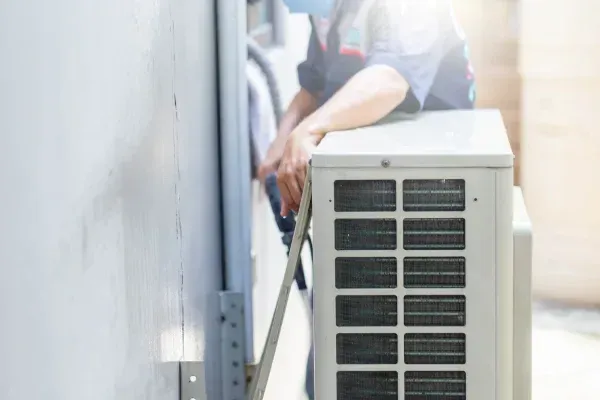
9. Keep Your Outdoor AC Unit Clean
Your outdoor condenser needs plenty of airflow.
When dirt, weeds, leaves, or debris build up around the unit, efficiency decreases.
Maintain at least two feet of clearance around the system.
Regularly remove:
Grass clippings
Branches
Dust buildup
Desert debris
A cleaner condenser operates more efficiently and experiences less strain.
10. Consider Replacing an Older Air Conditioner
If your air conditioner is more than 10 to 15 years old, it may simply be costing you too much to operate.
Today's high-efficiency systems are designed to use far less electricity while providing better comfort.
Signs it may be time for replacement include:
Frequent repairs
Uneven cooling
Rising utility bills
Loud operation
Constant cycling
Difficulty keeping your home comfortable
Although replacement is a larger investment, many homeowners recover costs through lower monthly energy bills and fewer repairs.
Additional Ways to Keep Cooling Costs Down
Beyond the ten major tips above, several smaller habits can improve efficiency.
These include:
Keeping vents open and unobstructed
Changing thermostat settings gradually
Keeping interior doors open for balanced airflow
Cleaning return air vents
Using exhaust fans after cooking
Replacing worn weatherstripping
Planting shade trees where practical
Keeping your HVAC system free from unnecessary restrictions
Every improvement contributes to overall efficiency.
Signs Your Air Conditioner Is Wasting Energy
Many homeowners don't realize their system is becoming less efficient until utility bills increase dramatically.
Watch for warning signs such as:
Warm air coming from vents
Weak airflow
Higher energy bills
Constant running
Strange noises
Musty odors
Hot and cold spots throughout the home
Excess indoor humidity
Addressing these issues early often prevents larger repairs later.
Best Manufacturers for Air Conditioning Systems
Choosing a quality air conditioning manufacturer can improve efficiency, reliability, comfort, and long-term value. Well-built equipment often lasts longer, performs better during Arizona summers, and helps reduce operating costs.
Carrier – Known for dependable performance, impressive efficiency ratings, advanced comfort features, quiet operation, and long-lasting reliability in demanding climates.
Trane – Builds durable systems engineered for extreme weather while delivering consistent cooling, energy savings, dependable performance, and excellent longevity.
Lennox – Offers highly efficient equipment designed to lower energy costs while providing dependable cooling, quieter operation, and innovative comfort technology.
American Standard – Produces reliable air conditioning systems recognized for durability, consistent cooling performance, energy efficiency, and dependable long-term operation.
Rheem – Delivers dependable residential cooling systems featuring solid efficiency, affordable ownership, reliable components, and straightforward maintenance requirements.
Goodman – Provides budget-friendly air conditioning systems with dependable performance, good warranty coverage, solid efficiency, and affordable replacement options.
Why Homeowners Trust Classic Guys Plumbing
For years, the professionals at Classic Guys Plumbing have helped homeowners maintain comfortable homes with dependable air conditioning services. Experience matters because quality workmanship, accurate diagnostics, and proper installations help save money over the long run while reducing future repairs. If you're ready to have your project handled by experienced industry experts, call (480) 330-2724 and let's get started.
Frequently Asked Questions
How often should I schedule air conditioning maintenance?
Most homeowners should schedule air conditioning maintenance once a year, preferably before summer begins. Regular maintenance helps your air conditioner run more efficiently, keeps cold air flowing properly, and reduces the chance of expensive repairs during a heat wave. A technician will inspect the indoor unit, outdoor unit, air handler, compressor, evaporator, refrigerant, electrical equipment, and ducts to make sure every part of the HVAC system is working correctly. Regular service also helps improve indoor air quality by removing dust and checking ventilation.
Why is my air conditioner running but not cooling my home?
If your air conditioner is running but your home is still hot, several issues could be causing the problem. A dirty air filter, low refrigerant, blocked ducts, a faulty compressor, frozen evaporator, or problems with the fan can all reduce cooling performance. Incorrect temperature settings on the thermostat or remote control may also be the cause. During extreme heat, your system may simply struggle to keep up if it hasn't received proper maintenance. A professional inspection can identify the issue and restore reliable cold air throughout your rooms.
Should I repair or replace my air conditioning system?
In general, if your air conditioning systems are over 10 to 15 years old, need frequent repairs, or have rising energy bills, replacing them with new systems may be the better choice. Modern energy-efficient models often use inverter technology, which adjusts power based on cooling demand instead of constantly turning on and off. Although the upfront price is higher, many homeowners recover part of the cost through lower monthly utility bills and fewer service calls. A trusted company can help you decide whether your current unit should be repaired or replaced.
What temperature should I set my thermostat during summer?
Most experts generally recommend setting your thermostat around 78 degrees when you're home and a little higher when you're away. This helps balance comfort with energy savings. Smart thermostats and some remote or remote control features make it easy to adjust settings automatically throughout the day. Small changes in temperature can reduce wear on your air conditioning system while helping your home stay cool without using unnecessary power.
Can a portable air conditioner cool an entire house?
A portable air conditioner works well for smaller spaces or individual rooms, but it usually isn't the best solution for cooling an entire home. These units are designed for localized cooling and often have less capacity than central air conditioning systems. They can be useful in large rooms if sized correctly, but they may struggle during Arizona's extreme heat. For whole-home comfort, central air conditioning, a heat pump, or other properly sized systems provide more consistent cooling and better energy-efficient performance.
How can I lower my cooling costs without sacrificing comfort?
There are many simple ways to save money while staying comfortable. Replace air filters regularly, keep the outdoor unit free of debris, seal leaks around windows and doors, and schedule yearly maintenance. Keep furniture from blocking vents so air can move freely through the ducts. Using ceiling fans helps circulate cool air, allowing you to raise the thermostat a couple of degrees without feeling warmer. These steps improve efficiency, reduce energy use, and help protect your HVAC equipment from extra wear.
How do modern air conditioning systems work?
Modern air conditioning systems move heat from inside your home to the outdoors through a continuous process. The compressor circulates refrigerant, which absorbs indoor heat as it evaporates inside the evaporator coil. The heated refrigerant then travels through a line to the outdoor unit, where it begins to condense and release the heat outside before repeating the cycle. The air handler and fan move conditioned air through the ducts, helping maintain comfortable temperatures throughout your residential home. Some larger commercial buildings may use chilled water or advanced refrigeration methods, but most homes rely on this compression and cooling cycle.
Are newer air conditioning systems better for the environment?
Yes. Many new systems are designed to use less energy, produce fewer carbon emissions, and reduce overall emissions compared to older equipment. Improved technology, higher efficiency ratings, and advanced inverter controls help lower electricity use while delivering better comfort. Some systems also use newer refrigerant options that address certain environmental issues. Proper installation, routine maintenance, and replacing worn-out equipment when needed all help reduce operating costs while supporting a greener environment. Whether for a home or business, choosing an efficient system benefits both your budget and the world by reducing unnecessary gas use and creating less waste over time. Good access for service also helps technicians keep the system performing at its best.
Did you know?
Low-income households have lower air conditioning adoption rates.
Areas with less air conditioning have higher heat-related mortality rates.
38% of EU citizens cannot afford to keep their homes cool.
Air conditioning can exacerbate social inequalities in heat exposure.
Air conditioning used about 7% of global electricity in 2022.
Air conditioning emitted 3% of global greenhouse gas in 2022.
Greenhouse gas emissions from air conditioning could double by 2050.
Hydrofluorocarbons could raise global temperatures by 0.3–0.5 °C by 2100.
Air conditioning contributes to pollution due to disposal difficulties.
Air conditioner efficiency is now measured in SEER2 ratings as of 2026.
Ice on refrigerant lines can indicate potential refrigerant issues.
AC systems are typically designed to maintain indoor temperatures 20°F below outside temperatures.
Proper system sizing is crucial to avoid poor humidity control and high energy bills.
Zoning systems allow for cooling specific areas independently.
A professional tune-up should ideally be scheduled in spring before peak heat.
Air conditioning uses the vapor-compression cycle for cooling.
The vapor-compression cycle transfers heat using refrigerant phase changes.
Air conditioners typically achieve 30% to 60% relative humidity indoors.
The coefficient of performance (COP) measures air conditioning efficiency.
One ton of refrigeration equals 12,000 BTU per hour.
Modern air conditioning systems often include a dehumidification mode.
Many homeowners find that variable-speed heat pumps offer excellent comfort and energy savings in Phoenix.
Evaporative coolers provide cool, humidified air and are energy-efficient in dry climates.
Ductless mini-split systems are excellent for homes without existing ductwork.
Refrigerated air systems work best for managing extreme heat in Phoenix.
Heat pumps can reverse the refrigeration cycle to provide both cooling and heating.
Evaporative cooling is effective in dry, hot climates.
Planting trees can lower urban temperatures by up to 12 °C.
Daytime radiative cooling can reduce energy costs by 26% to 46%.
Buildings designed for passive cooling are cheaper to maintain.
In 1558, Giambattista della Porta described chilling ice with potassium nitrate.
In 1901, Willis H. Carrier built the first modern electrical air conditioning unit.
Willis Carrier patented 'air conditioning' in 1906.
In 1914, the first domestic air conditioner was installed in Minneapolis.
In 1931, H.H. Schultz and J.Q. Sherman developed the window air conditioner.
By 2016, an estimated 1.6 billion air conditioning units were in use worldwide.
Stay Comfortable While Saving Money This Summer
Arizona summers aren't getting any cooler, but your utility bills don't have to keep climbing. By replacing air filters, scheduling routine maintenance, improving insulation, sealing air leaks, using smart thermostat settings, and keeping your equipment operating efficiently, you can enjoy a cooler home while spending less on energy.
If you want expert help with air conditioning in Gilbert, AZ, the experienced team at Classic Guys Plumbing is ready to help you keep your cooling system performing its best. Whether you need maintenance, repairs, or guidance on improving efficiency, contact us at (480) 330-2724 to schedule your service and keep your home comfortable all summer long.


