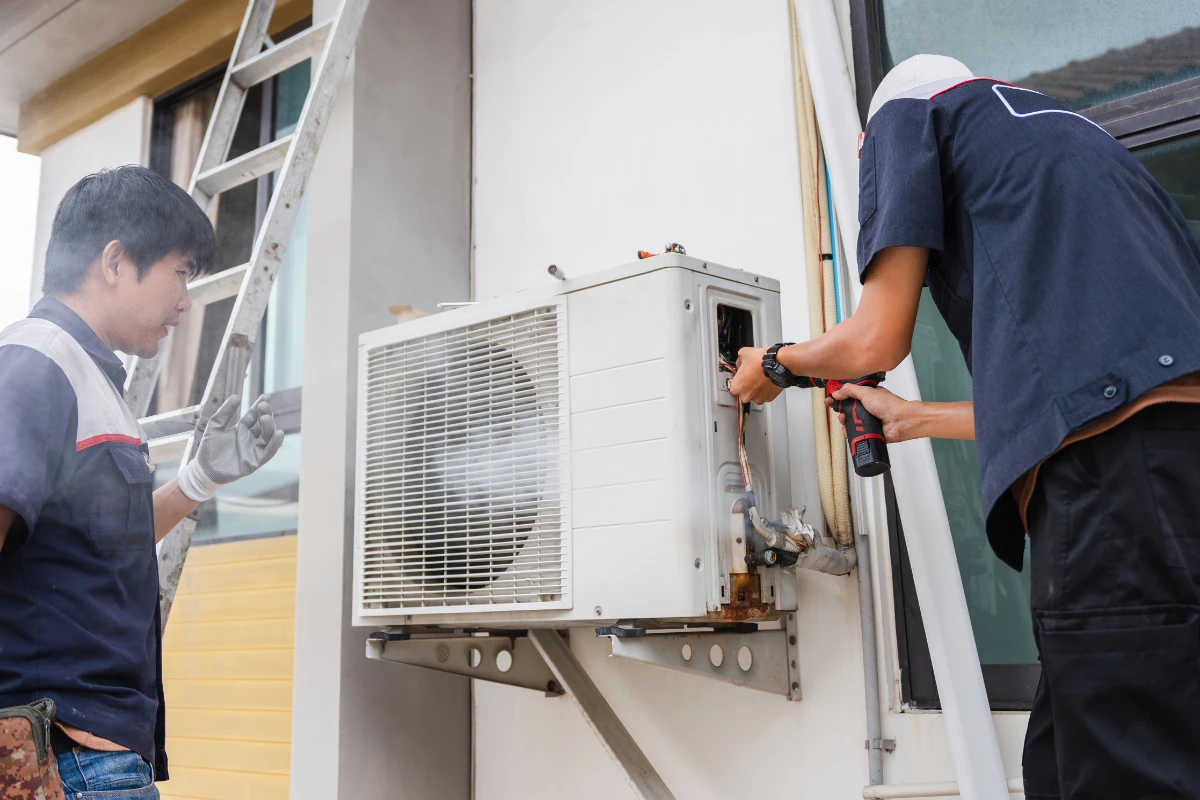
Common Causes of AC Short Cycling in Gold Canyon Homes
Your air conditioner turns on, runs for a few minutes, shuts off, and starts again shortly afterward. Instead of maintaining a steady indoor temperature, the system keeps repeating the same cycle.
This problem is known as AC short cycling, and it can affect both older and newer cooling systems.
For homeowners in Gold Canyon, AZ, where air conditioning plays a major role in keeping homes comfortable during hot weather, frequent cycling can become especially frustrating.
Short cycling may be caused by thermostat problems, restricted airflow, electrical issues, refrigerant-related conditions, or an improperly sized AC system. Understanding these possible causes can help you recognize when a simple adjustment may solve the problem and when professional attention is necessary.
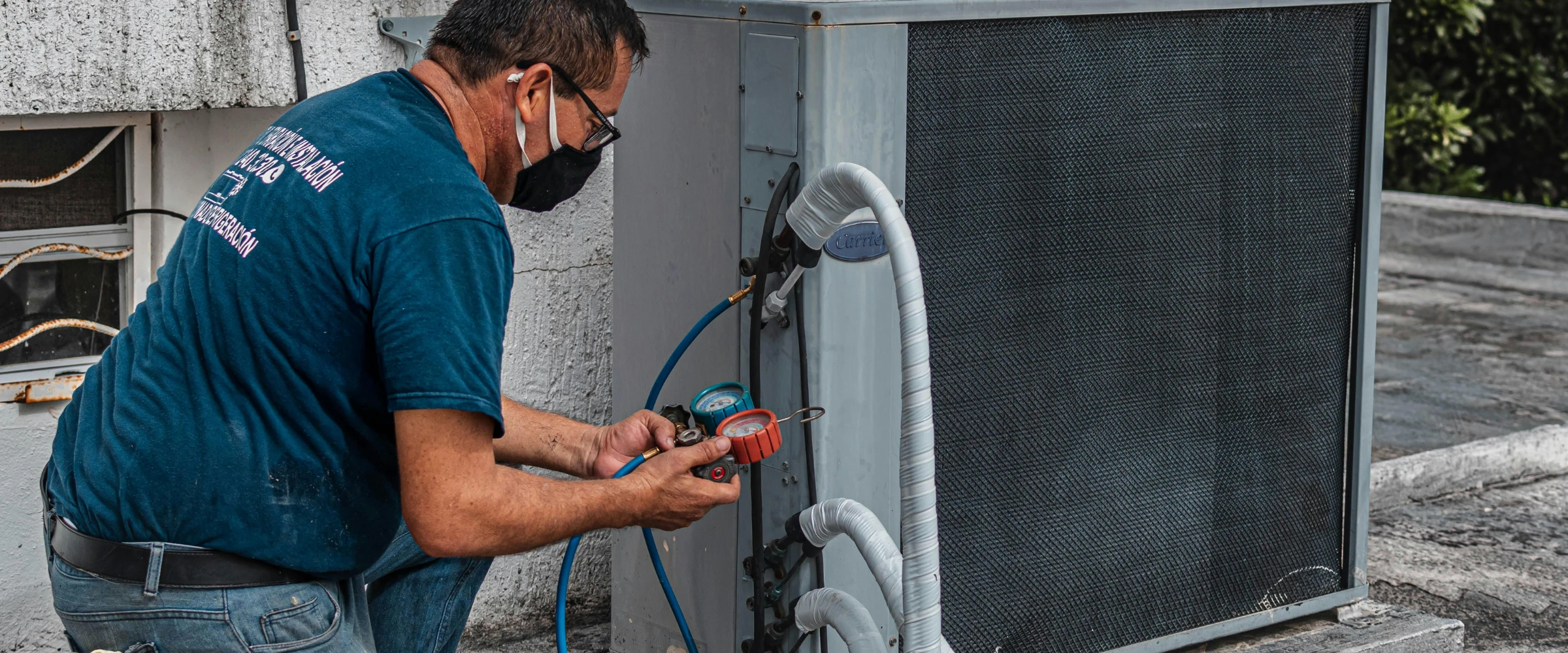
What Is AC Short Cycling?
Air conditioners normally operate in cycles. The system turns on when the indoor temperature rises above the thermostat setting, cools the home, and shuts off once the desired temperature is reached.
The length of each cooling cycle varies depending on outdoor temperatures, system capacity, thermostat settings, and the home's cooling requirements.
Short cycling happens when an air conditioner repeatedly stops before completing a normal cooling cycle.
Common warning signs include:
The AC turns on and off repeatedly within a short period.
The system shuts down before the home reaches the selected temperature.
Indoor temperatures fluctuate throughout the day.
The outdoor unit frequently starts and stops.
Cooling performance becomes inconsistent.
The system makes repeated startup noises.
Not every short cooling cycle indicates a malfunction. Variable-speed systems, multi-stage equipment, and changing cooling demands can affect operating patterns.
However, frequent starts and stops combined with poor cooling performance may indicate a problem worth investigating.
7 Common Causes of AC Short Cycling in Gold Canyon Homes
Several conditions can interrupt a normal cooling cycle. Some involve simple airflow or thermostat issues, while others require professional testing to identify the underlying cause.
1. Dirty or Restrictive Air Filters
A clogged air filter is one of the first things worth checking when an AC system begins cycling unusually.
As dust and debris accumulate, the filter can restrict airflow through the cooling system. Reduced airflow may cause the evaporator coil to become excessively cold and, under certain conditions, freeze.
Some systems may then stop cooling because of protective controls or other operating problems.
Signs of restricted airflow may include weak air coming from supply vents, inconsistent room temperatures, or visible ice around accessible cooling components.
Check your filter and replace it when necessary using the correct size and type recommended for your equipment.
A filter that is excessively restrictive for the system can also contribute to airflow problems, even when it is relatively clean.
2. Thermostat Problems or Incorrect Placement
Your thermostat controls when the air conditioner starts and stops. If it receives inaccurate temperature information, the system may operate in unusually short cycles.
For example, a thermostat installed near direct sunlight, a heat-producing appliance, or a supply vent may detect temperatures that do not accurately represent the rest of your home.
Other possible thermostat-related issues include:
Incorrect temperature settings
Weak batteries in battery-powered models
Improper thermostat configuration
Loose or damaged wiring
Compatibility problems with the cooling equipment
Start by confirming that the thermostat is set to cooling mode and that the selected temperature is below the current indoor temperature.
If the display behaves unusually or the AC continues cycling after basic adjustments, a technician can inspect the thermostat and its connection to the system.
3. An Oversized Air Conditioning System
A larger air conditioner does not necessarily provide better cooling.
When an AC system has substantially more cooling capacity than a home requires, it may lower the temperature near the thermostat very quickly and shut off before completing a longer cooling cycle.
The result can be frequent starting and stopping.
An oversized system may also produce uneven indoor temperatures, particularly when airflow distribution and thermostat placement contribute to the problem.
Proper air conditioning sizing depends on more than square footage.
Important factors include insulation, window placement, ceiling height, building orientation, ductwork, and the home's overall heat gain.
A professional cooling-load calculation can help determine whether the installed equipment is appropriately sized.
4. Electrical or Control Component Problems
Air conditioners rely on several electrical and control components to manage startup, operation, and shutdown.
A problem with one of these components may interrupt normal cooling cycles.
Potential issues include malfunctioning control boards, contactors, wiring connections, or other electrical components.
Depending on the specific failure, the system may shut down unexpectedly, struggle to restart, or operate inconsistently.
Because these components can involve hazardous electrical voltage, testing and repairs should be handled by a qualified HVAC technician.
Repeatedly resetting a tripped breaker or attempting to repair internal electrical components can create additional safety risks.
5. Refrigerant-Related Issues
Refrigerant absorbs heat from indoor air and releases it outside as part of the cooling process.
When the refrigerant charge is incorrect or another refrigerant-related problem develops, the system may experience abnormal temperatures or pressures.
Some equipment includes protective controls that can interrupt operation when certain conditions occur.
Possible signs of refrigerant-related trouble include reduced cooling, ice formation, unusual operating behavior, or repeated shutdowns.
However, these symptoms do not automatically confirm a refrigerant leak or low refrigerant charge.
Airflow restrictions and other equipment problems can produce similar symptoms.
A qualified technician can inspect the system, identify the cause, and determine whether refrigerant service is necessary.
6. Dirty Coils or Restricted Heat Transfer
Your air conditioner uses two main coils to move heat.
The indoor evaporator coil absorbs heat from the air inside your home, while the outdoor condenser coil releases that heat outdoors.
When these coils accumulate significant dirt or debris, heat transfer may become less effective.
Depending on the severity of the restriction and the system's protective controls, the equipment may experience operating conditions that contribute to unexpected shutdowns.
Outdoor units can also struggle when nearby objects or vegetation obstruct airflow.
In Gold Canyon, outdoor dust and debris are worth monitoring, particularly during extended periods of AC use.
Homeowners can visually check whether the outdoor unit has adequate clearance, but internal coil cleaning and equipment inspections should follow manufacturer recommendations.
7. Compressor or Other Equipment Problems
The compressor is responsible for circulating refrigerant through the cooling system.
Certain compressor problems, overheating conditions, or protective shutdowns can cause an air conditioner to stop before completing its cooling cycle.
Other mechanical or control-related faults may produce similar behavior.
A struggling compressor might also be accompanied by unusual sounds, difficulty starting, or reduced cooling performance.
These symptoms require proper diagnosis because a compressor failure should not be assumed based on short cycling alone.
A technician can evaluate electrical operation, system pressures, temperatures, and other relevant conditions to identify the actual problem.
Why Short Cycling May Become More Noticeable During Gold Canyon Summers
Hot outdoor temperatures increase the amount of heat an air conditioner must remove from a home.
During periods of high cooling demand in Gold Canyon, AZ, a system may need to run for longer periods to maintain the selected indoor temperature.
That makes repeated short cycles particularly noticeable.
Instead of maintaining consistent cooling, the system may shut down prematurely while indoor temperatures remain higher than desired.
Frequent restarting can also increase mechanical and electrical stress on certain components.
However, outdoor heat by itself does not prove that a system is malfunctioning.
The important distinction is whether the equipment is completing appropriate cooling cycles and maintaining the expected indoor temperature.
What You Can Safely Check Before Scheduling AC Repair
Not every short cycling problem requires a major repair. A few basic observations may help identify a simple issue or provide useful information for a technician.
Check the thermostat settings. Confirm that cooling mode is selected and the temperature setting is appropriate. If you use a programmable schedule, make sure it is not causing unexpected changes.
Inspect the air filter. A visibly dirty filter may restrict airflow. Replace it with a compatible filter according to the equipment manufacturer's guidance.
Look for blocked supply and return vents. Furniture, rugs, or other household items can interfere with airflow. Keep vents and returns unobstructed.
Observe the outdoor unit. Make sure vegetation, stored items, and loose debris are not blocking the surrounding airflow.
Pay attention to the cycling pattern. Note approximately how long the AC operates before shutting off and whether the thermostat has reached its selected temperature.
These observations can help determine whether the problem is related to a simple setting, an airflow restriction, or a condition requiring professional diagnosis.
Avoid opening electrical compartments, handling refrigerant lines, or attempting internal equipment repairs.
If you notice smoke or an electrical burning smell, shut off the system if it is safe to do so, leave the affected area, and seek appropriate emergency assistance.
When Does AC Short Cycling Require Professional Attention?
Occasional changes in cooling-cycle length can be normal. Persistent short cycling, however, deserves closer attention when it affects system performance.
Consider scheduling an inspection when:
The AC repeatedly shuts off before reaching the thermostat setting.
Frequent cycling continues after checking the filter and thermostat.
Ice develops on accessible refrigerant lines or cooling components.
The system produces unusual noises during startup or shutdown.
The circuit breaker trips repeatedly.
Cooling performance has noticeably declined.
The system stops and restarts without an obvious explanation.
A technician can examine airflow, thermostat operation, electrical controls, refrigerant-related conditions, and equipment performance.
The goal is to identify the actual cause rather than replace components based only on symptoms.
At Classic Guys Plumbing, we provide AC repair and maintenance services for Arizona homeowners, including Gold Canyon. Our team can inspect cooling-system problems and help determine the appropriate next step.
Can Short Cycling Damage Your Air Conditioner?
Frequent starts and stops can place additional stress on certain air conditioning components.
Startup places different electrical and mechanical demands on equipment compared with steady operation. When an air conditioner repeatedly starts before completing an appropriate cooling cycle, some components may experience unnecessary wear.
Short cycling may also interfere with consistent temperature control.
The consequences depend on the equipment design, the frequency of cycling, and the underlying problem.
A single unusual cycle is not necessarily a reason for concern. Repeated cycling combined with poor performance is more significant.
Correcting the underlying issue can help restore normal operation and prevent an existing problem from continuing unchecked.
Does AC Short Cycling Mean You Need a New System?
No. Short cycling does not automatically mean your air conditioner needs replacement.
A dirty filter, thermostat problem, airflow restriction, or repairable electrical fault may be responsible.
In these situations, addressing the specific problem may allow the existing equipment to continue operating normally.
Replacement becomes a consideration when the system has significant equipment damage, recurring breakdowns, an improper capacity that cannot reasonably be corrected, or other issues that make continued repairs less practical.
The decision should account for equipment condition, repair history, repair costs, and the home's cooling needs.
If improper sizing is suspected, a cooling-load calculation is especially important before choosing replacement equipment.
Simply installing another unit of the same capacity may repeat the original problem.
Helpful Resources for Understanding AC Cycling and System Performance
Homeowners who want to understand how their cooling equipment operates can explore several reliable HVAC resources.
U.S. Department of Energy
The U.S. Department of Energy offers educational guidance about air conditioning, cooling performance, and efficient home operation.
Its resources can help homeowners understand how equipment selection, maintenance, and household conditions affect cooling.
ENERGY STAR
ENERGY STAR provides information about quality HVAC installation and system sizing.
Its guidance explains why oversized cooling equipment may cycle too frequently and why matching equipment capacity to a home's needs matters.
ENERGY STAR
Air Conditioning Contractors of America (ACCA)
The Air Conditioning Contractors of America publishes technical guidance on residential heating and cooling load calculations.
Its Manual J standard explains the process used to evaluate a home's heating and cooling requirements, which is particularly relevant when improper AC sizing is suspected.
ACCA
These resources provide useful background, but identifying the cause of short cycling in a particular home may still require equipment testing.
Frequently Asked Questions About AC Short Cycling
How Many Times Should an AC Turn On and Off Per Hour?
There is no single number that applies to every air conditioner.
Normal cycling varies with outdoor temperature, thermostat settings, equipment capacity, system design, and household cooling demand.
The greater concern is repeated shutdowns before the system reaches the desired temperature.
Can a Dirty Air Filter Cause My AC to Turn Off Repeatedly?
Yes, under certain conditions.
A severely restricted filter can reduce airflow and contribute to cooling-coil freezing or protective shutdowns.
However, short cycling can have several causes, so replacing a dirty filter may not resolve every case.
Why Does My AC Short Cycle Only During the Hottest Part of the Day?
High outdoor temperatures place greater cooling demands on the equipment.
An existing airflow, electrical, refrigerant-related, or equipment problem may become more apparent under heavier operating conditions.
A technician can evaluate whether the pattern reflects abnormal operation.
Can a Smart Thermostat Cause Short Cycling?
Yes. Incorrect configuration, compatibility problems, temperature-sensing issues, or wiring faults can contribute to unusual cycling.
A properly installed and configured smart thermostat should control compatible equipment according to its intended operating requirements.
Should I Turn Off My AC If It Keeps Short Cycling?
If the system is repeatedly shutting down, making unusual noises, developing ice, or displaying signs of equipment trouble, turning it off and arranging an inspection may help prevent further problems.
A brief, isolated cycle without other symptoms does not necessarily require shutting down the system.
How Much Does It Cost to Fix AC Short Cycling?
Repair costs depend on the underlying cause.
A thermostat adjustment or filter replacement may involve a relatively simple correction, while electrical component repairs, refrigerant-related work, or major equipment problems can require more extensive service.
An inspection is usually necessary to determine the appropriate repair and its cost.
Can Regular AC Maintenance Help Reduce Short Cycling Problems?
Routine maintenance can help identify dirty components, airflow restrictions, and developing equipment problems that may contribute to abnormal cycling.
Maintenance cannot prevent every malfunction, but it provides an opportunity to inspect system operation and address issues before they become more disruptive.
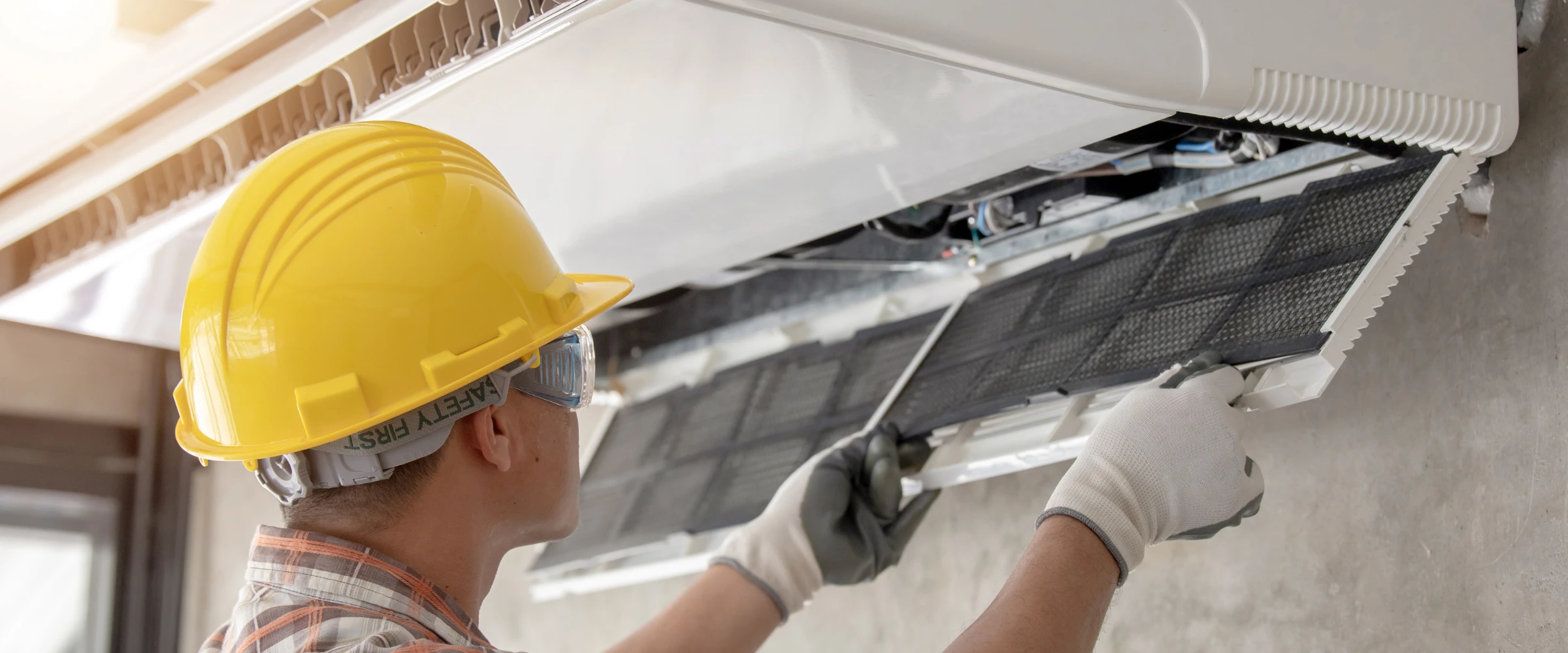
Get Your AC Cycling Problem Checked in Gold Canyon, AZ
An air conditioner that repeatedly turns on and off may be dealing with something as simple as a restricted filter or as complex as an electrical or equipment problem.
The key is finding out why the system is stopping before assuming that a major component has failed.
If basic checks do not resolve the issue, our team at Classic Guys Plumbing can help evaluate your air conditioning system and determine what may be causing the unusual cycling.
For AC repair or maintenance in Gold Canyon, AZ, call (480) 330-2724 or contact us to discuss the problem and arrange service.


