Gas Leak Detection in Florence, AZ | Signs Homeowners Should Know
If you own a home in Florence, AZ, you probably spend time thinking about things like summer heat, water usage, and keeping your plumbing system running smoothly. But there’s one issue many homeowners don’t think about until it becomes urgent: gas leaks.
Natural gas powers many Florence homes. It fuels water heaters, stoves, dryers, and heating systems. When everything works properly, it’s efficient and reliable. But when there’s a leak, it becomes a serious safety concern that demands immediate attention.
That’s why gas leak detection in Florence, AZ, is such an important topic for homeowners to understand. Knowing the early warning signs can protect your home, your family, and your property.
In this guide, we’ll walk through the most common signs of gas leaks, why they happen, what makes Florence homes unique, and what you should do if you suspect a problem.
Why Gas Leaks Are a Serious Concern for Florence Homeowners
Florence has grown quickly over the past decade. New developments, expanding neighborhoods, and aging infrastructure in some areas mean many homes rely heavily on natural gas lines that run both inside and outside the property.
Gas leaks can occur in:
Indoor gas appliances
Underground gas lines
Connections between appliances and supply lines
Aging pipes or fittings
Arizona’s climate also plays a role. The extreme heat, soil movement, and dry conditions can gradually affect buried pipes and connections.
Even small leaks should never be ignored. Natural gas is highly flammable and can cause:
Fire hazards
Explosion risks
Health issues from prolonged exposure
Structural damage if left unresolved
Fortunately, gas leaks often give warning signs before they become dangerous.
The Most Common Signs of a Gas Leak
When homeowners learn the early signs of a gas leak, they’re far more likely to catch the issue before it becomes serious.
Here are the most common indicators to watch for.
A Rotten Egg Smell
Natural gas itself has no odor. Gas companies add a chemical called mercaptan, which smells like rotten eggs, specifically so leaks can be detected.
If you notice this smell inside your home or around appliances, treat it as a warning sign.
Common places homeowners notice it include:
Near stoves or ovens
Around water heaters
In utility rooms
Near gas fireplaces
Around outdoor gas lines
If the smell is strong, it’s important to leave the area immediately.
Hissing or Whistling Sounds
Another major warning sign is a hissing noise coming from a gas line.
This sound typically occurs when gas escapes through a crack, loose fitting, or damaged pipe.
Listen for sounds near:
Gas appliances
Wall gas connections
Outdoor gas meters
Underground lines in the yard
Even a faint hissing sound could indicate a leak that needs professional inspection.
Dead or Dying Plants in Your Yard
Outdoor gas leaks often go unnoticed until landscaping starts showing signs.
Gas leaking underground can deprive plants of oxygen in the soil.
You may notice:
Patches of dying grass
Plants turning yellow or brown
Sudden vegetation decline near gas lines
Bubbling in puddles after rain
If a section of your yard looks unhealthy while surrounding plants thrive, it could point to a gas leak underground.
Higher-Than-Normal Gas Bills
Sometimes the first clue homeowners notice is a spike in their gas bill.
If your usage hasn’t changed but your bill increases significantly, it may mean gas is escaping somewhere in the system.
Reviewing monthly bills helps catch problems early.
Watch for:
Sudden bill increases
Higher usage despite mild weather
Increased gas consumption without new appliances
While billing changes can have multiple causes, they should always be investigated.
Physical Symptoms Inside the Home
Gas leaks can sometimes cause mild physical symptoms before they are obvious otherwise.
Exposure to leaking gas may lead to:
Headaches
Dizziness
Nausea
Fatigue
Breathing discomfort
If multiple family members begin experiencing similar symptoms inside the home, especially near gas appliances, it’s worth considering whether a leak could be involved.
Fresh air and professional inspection are important in these situations.
Common Causes of Gas Leaks in Florence Homes
Understanding what causes gas leaks can help homeowners prevent them.
Several factors commonly lead to gas leaks.
Aging Gas Lines
Older homes may still have original gas lines installed decades ago. Over time, pipes can weaken or corrode.
This is especially true in areas where soil shifts or extreme temperatures stress materials.
Loose Appliance Connections
Gas appliances rely on secure connections.
Improper installation or years of vibration and movement can loosen these fittings.
Common problem areas include:
Gas stoves
Dryers
Water heaters
Furnaces
Regular inspection helps ensure connections remain tight and secure.
Ground Movement
Arizona soil expands and contracts with temperature changes and drought conditions.
Over time, this movement can stress underground gas lines, causing cracks or separation at joints.
Homes built in developing areas may experience these conditions more often.
Poor DIY Installations
Home improvement projects sometimes involve moving or replacing appliances.
If gas connections are modified incorrectly, leaks can develop.
Gas systems require precise installation and pressure testing to ensure safety.
What To Do If You Suspect a Gas Leak
If you think there may be a gas leak, it’s important to act quickly and safely.
Follow these steps.
Leave the Area Immediately
If the smell of gas is strong, evacuate everyone from the house immediately.
Do not stay inside to investigate.
Avoid Electrical Switches
Even flipping a light switch can create a spark.
Avoid using:
Light switches
Phones inside the home
Appliances
Garage door openers
Leave everything as it is while exiting.
Go Outside and Call for Help
Once safely outside and away from the building, contact professionals who can address the issue.
Gas leaks require proper equipment and trained technicians to locate and repair safely.
How Professional Gas Leak Detection Works
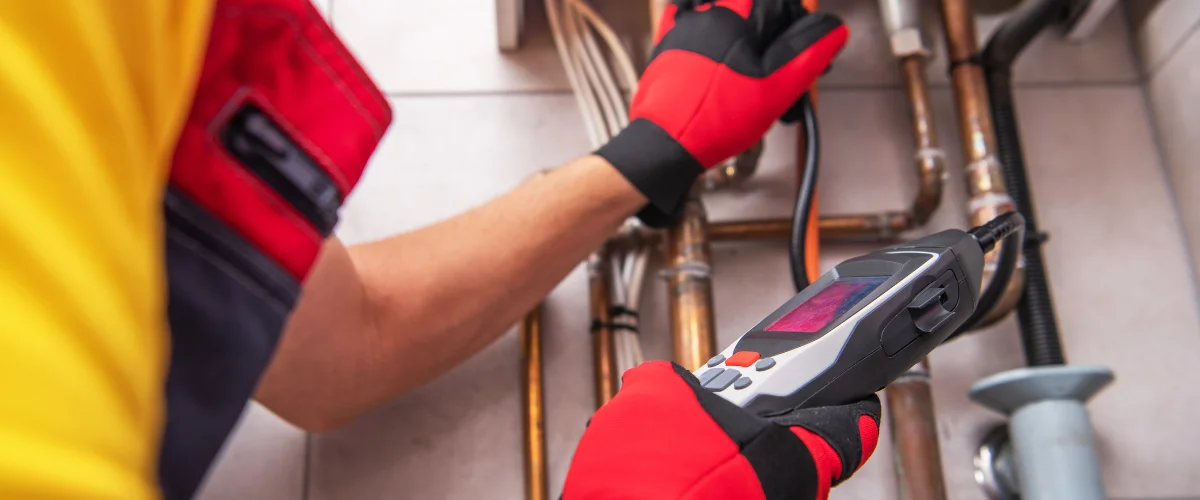
Modern Gas Leak Detection in Florence, AZ involves advanced tools designed to pinpoint leaks quickly and accurately.
Professionals typically use:
Electronic gas detectors
Pressure testing equipment
Infrared inspection tools
Leak detection sensors
These tools allow technicians to identify even small leaks hidden inside walls, floors, or underground lines.
The goal is to locate the exact source quickly and repair it safely.
Preventing Gas Leaks in Your Home
While some gas leaks occur unexpectedly, many can be prevented through regular maintenance.
Homeowners can reduce risk by:
Scheduling routine gas line inspections
Replacing aging gas connectors
Ensuring appliances are installed correctly
Checking outdoor gas lines after landscaping projects
Monitoring gas bills for unusual increases
Small preventive steps can prevent large problems later.
Best Manufacturers of Gas System Components
Reliable gas system components improve safety and durability, helping homeowners reduce leak risks through well-built regulators, valves, connectors, and appliance components designed for long-term performance.
Honeywell
Known for durable gas control valves and regulators used widely in residential heating systems and appliances.
Siemens
Produces advanced gas detection technology and smart safety devices designed to improve monitoring and prevent hazardous gas buildup.
Emerson
Provides high-quality gas regulators and industrial-grade components trusted for consistent performance and dependable safety.
Robertshaw
Specializes in gas valves, controls, and thermostatic products widely used in residential appliances.
White Rodgers
Manufactures reliable gas control systems and HVAC components designed for precision and durability.
Professional Gas Leak Detection From Experienced Technicians
Our team has performed gas leak detection services for years. Experience matters. Skilled professionals catch problems early, preventing costly repairs later. If you want trusted experts protecting your home, contact us at (480) 330-2724 today.
Why Local Knowledge Matters for Gas Leak Detection in Florence, AZ
Florence homes face unique conditions that make local expertise valuable.
Local technicians understand:
Soil conditions affecting underground pipes
Common plumbing and gas setups used in area developments
Climate impacts on gas line materials
Local building practices and system layouts
This familiarity helps speed up diagnosis and repair.
In a fast-growing community like Florence, understanding these details makes a big difference.
Frequently Asked Questions
How can I tell if there is a natural gas leak in my home?
One of the most common signs of a natural gas leak is a strong smell similar to rotten eggs. Natural gas is normally odorless, but utilities add a chemical odor so leaks are readily detectable by a person’s normal sense of smell. You might also hear a hissing sound near a water heater, furnace, or gas meter, or notice plants dying outside near underground gas lines. Some homes also have a natural gas detector that can alert you when combustible gases like methane are present in the air. If you suspect a gas leak, leave the room or building immediately and contact trained technicians for gas leak detection.
Are natural gas detectors reliable for detecting leaks?
Yes, modern natural gas detectors are designed to detect small amounts of gas in the air and provide an alarm when the concentration reaches a certain level. These devices use advanced technology and are capable of identifying combustible gases within a few seconds. Many detectors are compact, easy to install, and provide dependable protection for homes and buildings. However, they still require regular testing and maintenance to ensure reliable performance and to prevent false alarms.
Where should a natural gas detector be installed in the home?
A natural gas detector should be installed in areas where gas appliances are used, such as near the furnace, water heater, kitchen stove, or utility room. Since methane is lighter than air, detectors are usually placed higher on the wall or near the ceiling. Installing one detector on each level of the property improves security and safety. Many homeowners also place units near bedrooms so the alarm sounds can quickly alert people while they sleep.
What should I do if my gas detector alarm sounds?
If your alarm goes off, take it seriously. The presence of gas could mean a gas leak. First, open windows if it’s safe to do so and leave the building immediately. Avoid using electrical switches or starting a vehicle in the garage, since sparks could lead to an explosion. Once outside, call local utilities or professional gas leak detection companies. Trained technicians use specialized leak detection equipment to locate and repair the problem safely.
Can a gas leak cause health problems?
Yes. Even though natural gas itself is not toxic, breathing air with a high concentration of gas can reduce oxygen levels. This may cause headaches, dizziness, nausea, or fatigue. In enclosed spaces, the presence of combustible gases can also increase the risk of fire or explosion. That’s why early detection, working detectors, and quick action are important for life safety and overall protection.
How do professionals perform gas leak detection?
Professional gas leak detection involves a careful process using specialized leak detection equipment. Technicians may use electronic devices, pressure testing, and sensors designed to detect small amounts of methane or other combustible gases. They inspect connections at appliances like the furnace and water heater, check the gas supply lines, and inspect the meter. Once the leak location is confirmed, they report the issue and complete the necessary repair to restore safe operations.
Do gas detectors require maintenance?
Yes, regular maintenance keeps detectors working properly. Homeowners should test their units monthly, replace batteries when needed, and check the manufacturer’s guidelines for replacement. Over time, sensors may lose their ability to detect gas accurately. Keeping detectors properly equipped and tested ensures they continue to provide dependable safety information and alert occupants when needed.
Are gas detection systems used outside of homes?
Absolutely. Gas detection systems are widely used in industrial facilities, businesses, and large buildings where gas is used in operations or transportation systems. These environments rely on advanced technology, monitoring units, and continuous control systems to protect workers and equipment. The same principles used in industrial security systems have led to innovation in smaller residential devices, giving homeowners better protection and helping customers rely on safe gas delivery systems every day.
Protecting Your Home With Gas Leak Detection in Florence, AZ
Gas systems make modern homes more efficient and convenient, but they also require proper care and attention.
By learning the warning signs and acting quickly, you can prevent serious problems and protect your household.
If you ever suspect a leak, don’t wait. Professional gas leak detection in Florence, AZ can identify issues quickly and restore safety to your home.
If you’re ready to have your gas lines inspected or you’ve noticed signs of a possible leak, contact us at (480) 330-2724 and speak with our team today.


