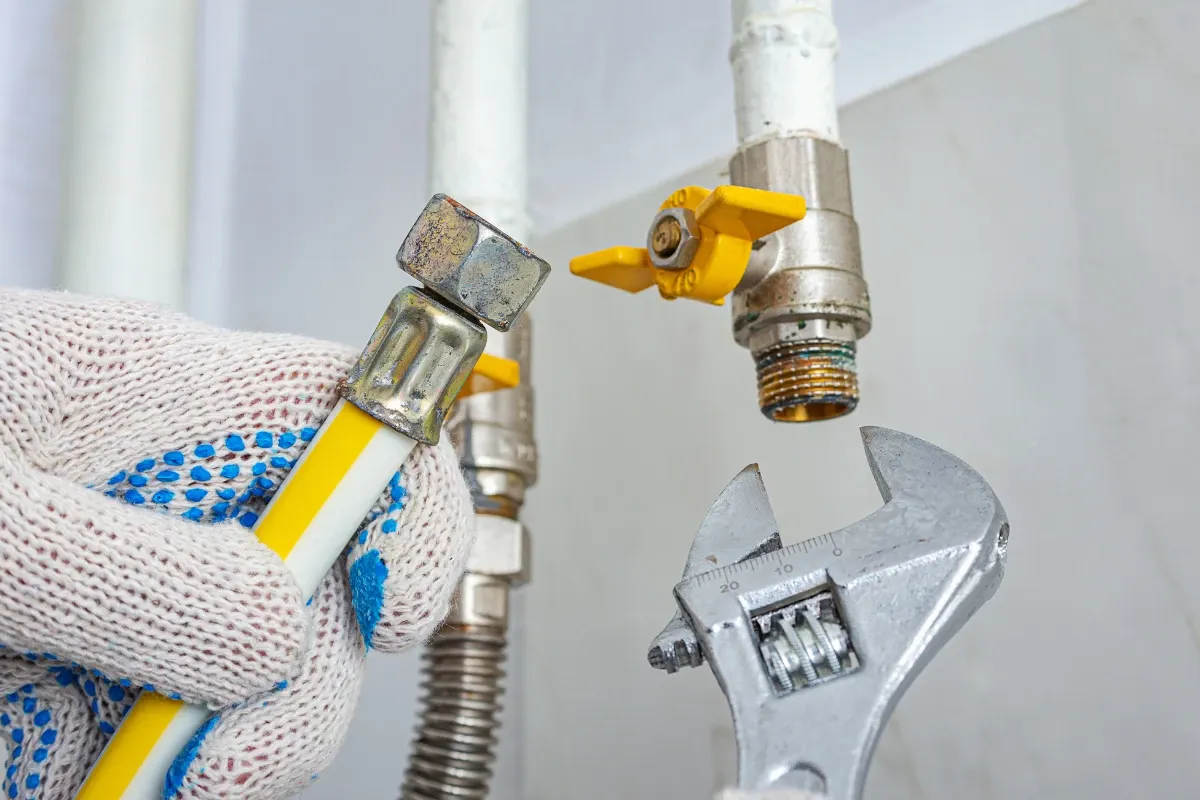
Natural Gas Detector vs. Carbon Monoxide Detector: What’s the Difference?
A natural gas detector and a carbon monoxide detector are not the same device. A natural gas detector is designed to warn you about leaking combustible gas, typically methane in a home supplied with natural gas. A carbon monoxide detector looks for carbon monoxide, an odorless gas that can form when fuel does not burn properly.
That distinction matters because a CO alarm generally cannot warn you about a natural gas leak, and a natural gas alarm is not a substitute for a CO alarm. For homeowners in Gold Canyon, AZ, understanding what each device does is an important part of household gas safety and knowing when professional gas leak detection may be necessary.
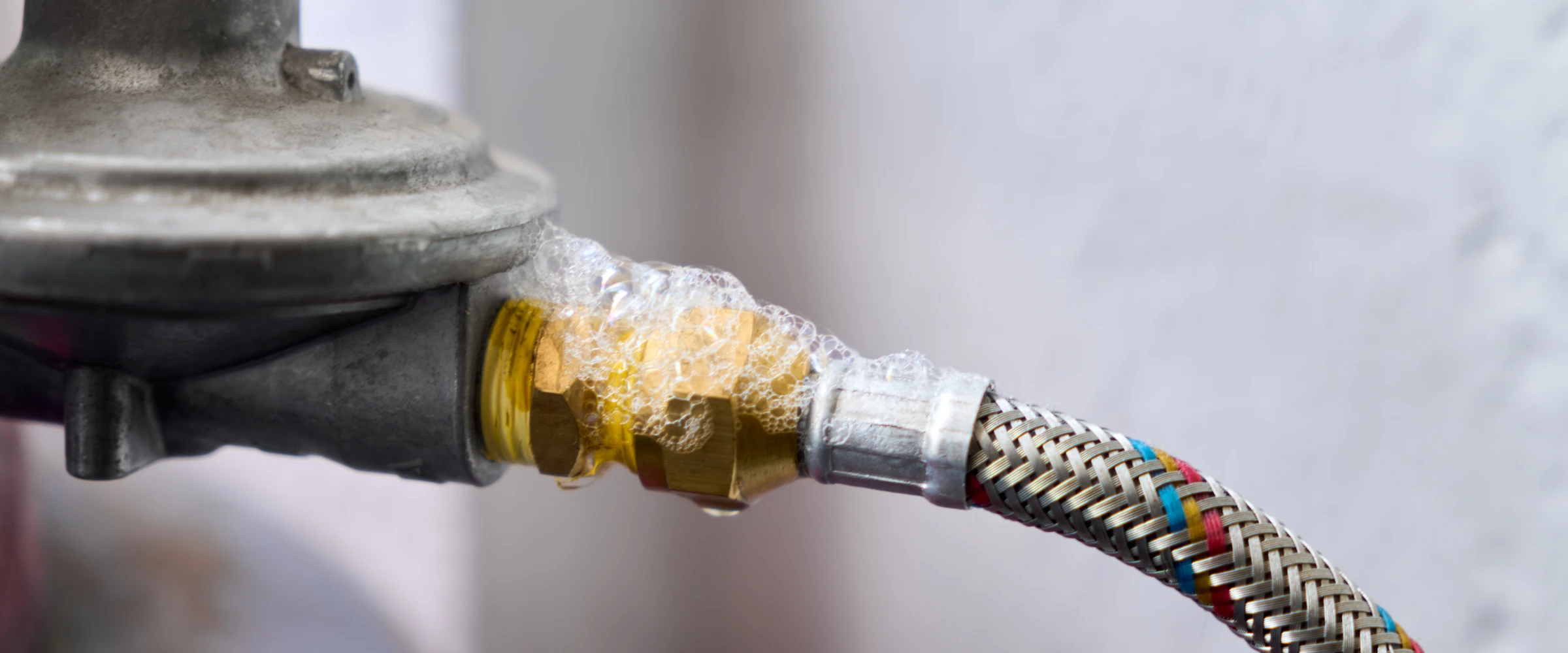
Natural Gas Detectors and Carbon Monoxide Detectors Monitor Different Hazards
Both types of detectors involve fuel-related safety, which is why they are easy to confuse. Their sensors, however, are looking for different gases created by different problems.
What Does a Natural Gas Detector Detect?
Natural gas supplied to homes is primarily methane. In its natural state, natural gas is colorless and odorless. Gas distribution systems are typically odorized so that a leak can produce the familiar sulfur-like or rotten-egg smell people associate with natural gas.
A residential natural gas detector is designed to sense the presence of combustible fuel gas. Depending on the specific detector, it may be designed for methane, propane, or multiple combustible gases. Always check the product labeling rather than assuming every fuel-gas detector monitors the same substances.
A natural gas detector may provide an additional warning if gas begins accumulating inside a home, but it does not locate a damaged fitting, pipe, appliance connection, or underground line. Determining where gas is escaping is a separate job that may require professional testing.
If you suspect a leak rather than simply choosing an alarm for your home, professional gas leak detection can help determine whether gas is present and identify the source that needs attention.
What Does a Carbon Monoxide Detector Detect?
A carbon monoxide detector monitors for carbon monoxide, commonly abbreviated CO. Carbon monoxide is colorless and odorless, so you cannot depend on smell to recognize it.
CO can be created when fuels such as natural gas, propane, gasoline, wood, coal, or oil burn incompletely. Fuel-burning heating and cooking equipment can therefore become potential CO sources under certain conditions.
A CO alarm is intended to warn occupants when carbon monoxide reaches potentially dangerous conditions. It is not designed to detect ordinary methane leaking from a natural gas line. UL Solutions specifically distinguishes the two, explaining that CO alarms detect carbon monoxide rather than methane or other combustible gases.
Why a Natural Gas Leak Does Not Automatically Mean Carbon Monoxide Is Present
One of the most common misunderstandings is that natural gas and carbon monoxide are simply two names for the same danger. They are not.
A natural gas leak occurs when unburned fuel escapes from the gas system. That could involve a gas line, fitting, connection, appliance supply, or other component. Escaping natural gas can become a fire or explosion hazard if it accumulates and encounters an ignition source.
Carbon monoxide is associated with combustion. It may be produced when a fuel-burning appliance or engine does not burn fuel completely or when combustion gases create unsafe indoor conditions. PHMSA notes that incomplete combustion of natural gas can generate carbon monoxide.
This gives homeowners two separate safety questions:
Is unburned natural gas escaping somewhere it should not? A natural gas detector may help alert you to combustible gas.
Is fuel combustion producing carbon monoxide? A CO alarm is designed for this hazard.
Because the risks are different, one type of alarm should not be assumed to replace the other.
Can One Detector Monitor Both Natural Gas and Carbon Monoxide?
Combination detectors are available, including products marketed to detect more than one hazard. The key is to confirm exactly what the unit is designed and certified to detect.
Do not assume that a device with a digital display or the word "gas" on its packaging detects both methane and CO. Look at the product's specifications and applicable safety certifications.
UL Solutions identifies UL 2034 as the standard covering single- and multiple-station carbon monoxide alarms. Separate requirements apply to gas-detection products.
This is especially relevant because not every inexpensive combination device performs as advertised. In August 2026, the U.S. Consumer Product Safety Commission warned consumers to stop using a particular model of four-in-one natural gas and carbon monoxide detector after reports that units could fail to alert users to hazardous carbon monoxide. The CPSC advises consumers to purchase CO alarms that meet the UL 2034 safety standard.
The takeaway is simple: choose a detector based on the hazards it is specifically designed and certified to monitor, not the number of features printed on the package.
Do You Need Both Types of Detectors?
If your home has fuel-burning appliances, a CO alarm provides protection against a hazard that a standard natural gas detector does not detect. The CPSC recommends CO alarms on every level of the home and outside sleeping areas, while NFPA advises following the alarm manufacturer's placement and mounting instructions.
Whether you also choose a natural gas detector depends on your home's fuel sources, equipment, and the device recommendations that apply to your situation.
Placement should not be guessed. Different gases behave differently, and individual detectors may have specific installation requirements. Follow the manufacturer's instructions for the exact alarm you purchase, including mounting location, power requirements, testing, maintenance, and replacement.
What a Detector Cannot Tell You About a Gas Leak
An alarm is a warning device. It is not a complete diagnosis of your gas system.
Even if a detector alerts you to combustible gas, it does not necessarily tell you:
which pipe, fitting, or connection is leaking
whether the problem is at an appliance or elsewhere in the system
how the gas reached the detector
what repair is required
whether another section of the gas system also needs attention
Likewise, the absence of an alarm should not be treated as proof that a suspected leak does not exist. A detector's performance depends on factors such as the type of gas it senses, its location, its condition, its power source, and its specifications.
At Classic Guys Plumbing, we provide gas leak detection and gas line repair services using professional equipment. Our gas services include investigating indoor and outdoor lines and gas connections, and we are licensed, bonded, and insured in Arizona.
What Should You Do If You Smell Natural Gas?
A gas odor should be treated as a potential emergency, not as an opportunity to test detectors or search for the leaking connection yourself.
PHMSA advises people who suspect a gas leak to leave the area and call 911 from a safe location. It also warns against operating electrical switches, starting vehicles or engines, creating flames, or using a phone while still in the suspected leak area because potential ignition sources can create additional danger.
Do not remain inside waiting to see whether a detector eventually sounds. Once you are safely away from the suspected leak, follow instructions from emergency responders and your gas utility.
Professional leak detection can be performed after the immediate safety situation has been addressed.
Signs That May Justify Professional Gas Leak Detection
A detector alarm is one reason to investigate, but it is not the only possible warning sign.
Potential indicators of a natural gas problem can include a recognizable sulfur-like gas odor, an unusual hissing sound around a gas line, or other changes involving the gas system. Outdoors, PHMSA also identifies unusual vegetation changes and hissing or roaring sounds as potential pipeline leak indicators.
An unexplained change in gas usage can also prompt homeowners to investigate, although higher utility bills alone do not prove that a leak exists. Changes in weather, appliance use, occupancy, or equipment performance can affect consumption.
For Gold Canyon homeowners with concerns about gas piping or appliances, the goal of professional evaluation is to determine whether a leak is actually present and, if so, where the gas is escaping.
Helpful Gas and Carbon Monoxide Safety Resources
Reliable safety information is more useful than relying on social media tips or trying to diagnose a gas problem yourself. These organizations provide useful guidance for homeowners.
U.S. Consumer Product Safety Commission
The CPSC Carbon Monoxide Fact Sheet explains how carbon monoxide forms, where CO alarms should generally be used, and why fuel-burning equipment needs proper operation and maintenance. It also provides guidance on choosing CO alarms that meet the current UL 2034 standard.
National Fire Protection Association
The NFPA carbon monoxide safety guidance covers CO alarm placement, testing, replacement, and fuel-burning equipment safety. Manufacturer instructions should still be followed for the specific device installed in your home.
UL Solutions
UL Solutions gas and detector certification information explains the different standards associated with smoke alarms, carbon monoxide alarms, and gas detectors. It is a useful resource when comparing detector labels and certifications.
Pipeline and Hazardous Materials Safety Administration
The U.S. Department of Transportation's PHMSA pipeline leak recognition guidance explains common signs of gas leaks and what to do if you suspect one. Its safety guidance emphasizes leaving the affected area and avoiding potential ignition sources.
Frequently Asked Questions About Natural Gas and Carbon Monoxide Detectors
What are the most common signs of a natural gas leak?
Common signs of a gas leak include a strong natural gas smell similar to rotten eggs or rotting eggs, a hissing sound near gas lines, and dying plants near an underground pipe. Outdoors, you may also notice dirt blowing from the ground, bubbling water, or a white cloud close to a gas line.
Natural gas is mostly methane, which has no natural odor. Utility companies add a sulfur-like odor so a natural gas leak can be noticed more easily. However, you should not depend on smell alone because some leaks may not produce an obvious odor.
If you smell gas or see other warning signs, stay aware of the risk. Avoid open flames, do not create a spark, and do not turn electrical power on or off. If you suspect a serious leak, evacuate the building immediately and move a safe distance away.
What should I do if I smell gas in my house?
If you smell natural gas in your house, treat it as a possible emergency. A gas leak occurs when gas is escaping from a line, fitting, appliance, or another part of the gas system. Because natural gas can ignite, even a small spark, pilot light, or other source of ignition may create a fire or explosion risk.
The most important steps are to leave immediately, move away from the area immediately, and call your gas utility, 911, or the local fire department from a safe location. Do not use a phone while you are still inside the affected building, and stay away from flammable materials and open flames.
Do not try to find the leak, relight a pilot light, or operate a shutoff valve unless emergency officials or your gas utility have specifically told you it is safe to do so. For large leaks, getting everyone out safely is more important than trying to shut anything off yourself.
Can your service find leaks in gas lines and appliances?
Yes. Professional gas leak detection can be used to check gas lines, fittings, connections, and gas appliances when a leak is suspected. Problems may occur around a stove, furnaces, water heater, outdoor gas piping, or other equipment connected to the gas system.
A technician may use a professional gas leak detector and other testing equipment to determine whether gas is present and where it may be escaping. Depending on the situation, the problem may be a loose fitting, damaged pipe, faulty connection, or another part that requires repair.
A household gas leak detector may give you an early warning, but it usually cannot tell you exactly which part needs repair. Professional testing is especially helpful when a leak is hidden, when the natural gas smell is hard to trace, or when there may be other sources of the problem.
Will carbon monoxide detectors warn me about a natural gas leak?
Standard carbon monoxide detectors are designed to detect carbon monoxide, not unburned natural gas. That means a CO alarm may stay quiet even when a natural gas leak is present.
Carbon monoxide can occur when fuels do not burn completely. Gas appliances, furnaces, heaters, fireplaces, gasoline engines, and other fuel-burning equipment can produce carbon monoxide under unsafe conditions. Problems with blocked vents, poor combustion, or damaged equipment can increase the danger.
Natural gas and carbon monoxide are different hazards. Natural gas is mainly methane, while carbon monoxide forms during incomplete combustion. Carbon dioxide is also a different gas and should not be confused with carbon monoxide. Although methane and carbon dioxide are both discussed as greenhouse gases because of their effects on the atmosphere and environment, that is separate from the immediate household safety risks caused by a gas leak or carbon monoxide buildup.
For better natural gas safety, use alarms designed for the specific hazard you want detected, and follow the manufacturer's instructions for installation and testing.
Can a natural gas leak make people sick?
Yes. A natural gas leak can create a dangerous situation, especially when gas builds up in an enclosed area and begins to replace normal air. In some cases, reduced oxygen levels may lead to physical symptoms such as headache, dizziness, weakness, nausea, or trouble thinking clearly.
Carbon monoxide exposure can cause similar symptoms and can be especially hazardous because carbon monoxide has no smell. If anyone is experiencing symptoms and you suspect a gas or carbon monoxide problem, get everyone outside to fresh air and leave immediately. Contact emergency services from a safe distance.
Do not assume that feeling better after going outside means the leak or other hazard is gone. The home should be checked before people return. Proper ventilation, working carbon monoxide detectors, and regular maintenance of heating and gas equipment are important parts of gas safety.
Should I shut off the gas meter if I suspect a leak?
In an emergency, your first job is to get people out of the property safely. If you strongly suspect a leak, do not remain near the gas meter, appliance, or piping while trying to investigate or make repairs.
A shutoff valve may be used to stop gas flow in certain situations, but homeowners should follow the directions of their gas utility, emergency responders, or another qualified professional. If there is a strong odor, visible gas release, smoke, fire, or signs of large leaks, evacuate the building immediately rather than staying behind to work around the gas system.
Once the supply has been shut off, it may need to be inspected before service is restored. Do not attempt to relight a pilot light, restart appliances, or turn equipment back on until you have been told it is safe.
How dangerous is a gas leak, even if I do not smell much gas?
Any suspected gas leak should be taken seriously. Natural gas is highly combustible, and accumulated gas can create a fire or explosion hazard when it reaches an ignition source. A switch, appliance, flame, or electrical spark may be enough to ignite gas under the wrong conditions.
The strength of the smell does not always tell you the size or severity of a leak. People can become used to an odor over time, air movement can carry the odor away, and even large leaks may sometimes be harder to notice in certain outdoor conditions.
A leak can also lead to property damage, affect nearby plants, or create unsafe conditions around a home or business. This is why professional testing is important when there are signs of a problem. Do not depend only on your nose or assume that no odor means no gas is escaping.
How can I help prevent natural gas problems at home?
Good natural gas safety tips start with routine care and paying attention to changes around your gas system. Have gas appliances, heating systems, furnaces, vents, and connected piping checked and maintained as recommended. Keep the areas around gas equipment clear and avoid storing flammable materials near a stove, furnace, water heater, or other appliance that can produce heat or flame.
Make sure you know the basic signs of a gas leak, including a sulfur or rotten-egg odor, hissing near a line, damaged piping, or unusual changes around outdoor plants. A properly selected gas leak detector can add another layer of warning, while working carbon monoxide alarms help protect against unsafe combustion.
Never use the smell of gas as a reason to search the house for the source yourself. If you smell gas, suspect a leak, or notice other warning signs, leave the area, keep away from possible sources of fire and ignition, and contact your utility or emergency services from a safe place.
Regular inspections, safe use of appliances, working alarms, and prompt repair of damaged gas components are practical ways to improve natural gas safety and reduce the risk of a dangerous leak.
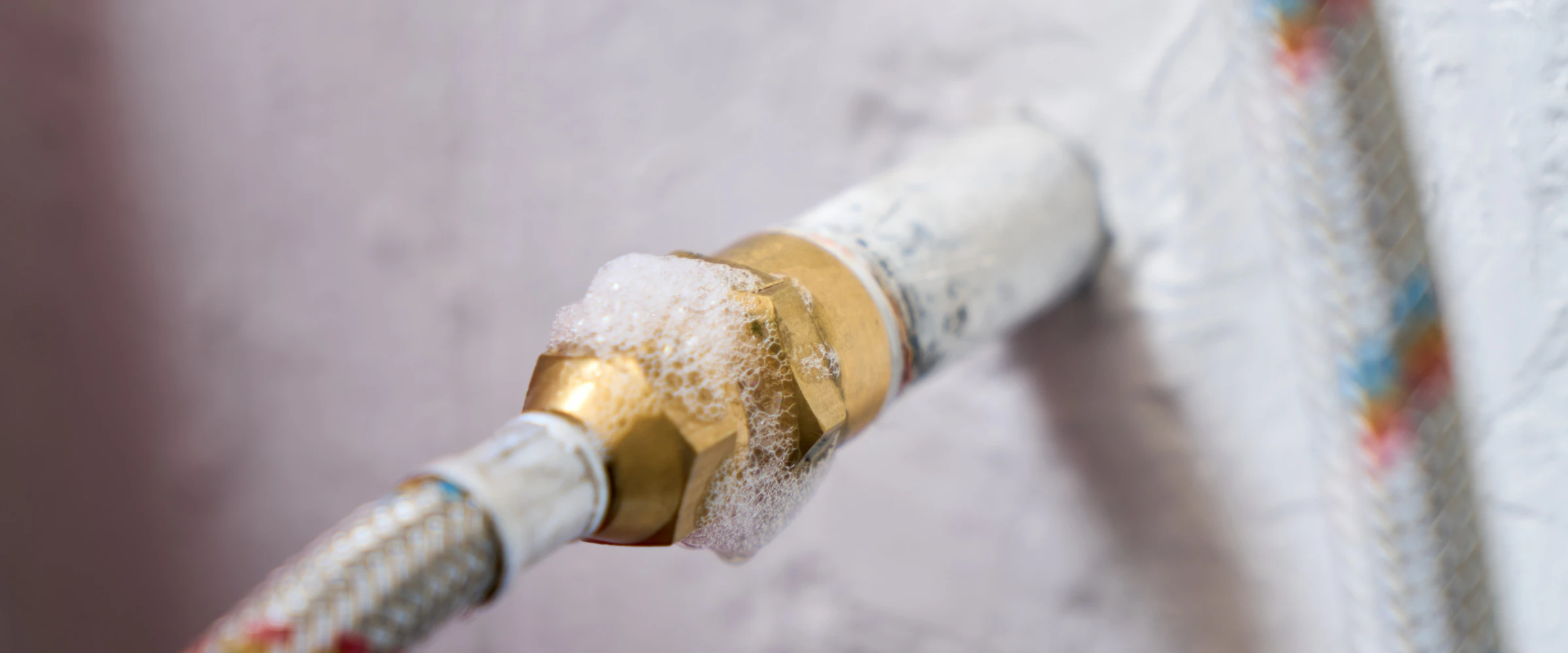
Protect Your Home From the Right Gas Hazard
Natural gas detectors and carbon monoxide detectors solve different problems. A natural gas detector monitors for escaping combustible fuel gas. A carbon monoxide detector monitors for CO created by incomplete combustion. Having one does not automatically provide protection from the other hazard.
If you are in Gold Canyon, AZ, and suspect a problem with a gas line, fitting, appliance connection, or other part of your gas system, Classic Guys Plumbing can help determine what is happening and what repair may be needed. Call us at (480) 330-2724 or Contact Us to discuss your situation and schedule service.


