What Does a Whole-House Water Filter Remove and What Doesn't It?
A whole-house water filter can reduce sediment, chlorine, unpleasant tastes and odors, and certain other contaminants, but the exact results depend on the filter media and the system's certified contaminant-reduction claims. One filter does not automatically remove hardness minerals, dissolved salts, bacteria, viruses, arsenic, lead, PFAS, or every other substance that may be present in water.
That distinction matters when you're considering water filtration for a Gold Canyon home. The right question is not simply, "Does a whole-house filter clean water?" It is, "What is in my water, and is this particular treatment system designed to address it?"
Understanding what different filters can and cannot do helps you choose a system based on your actual water concerns rather than broad marketing claims.
How a Whole-House Water Filter Works
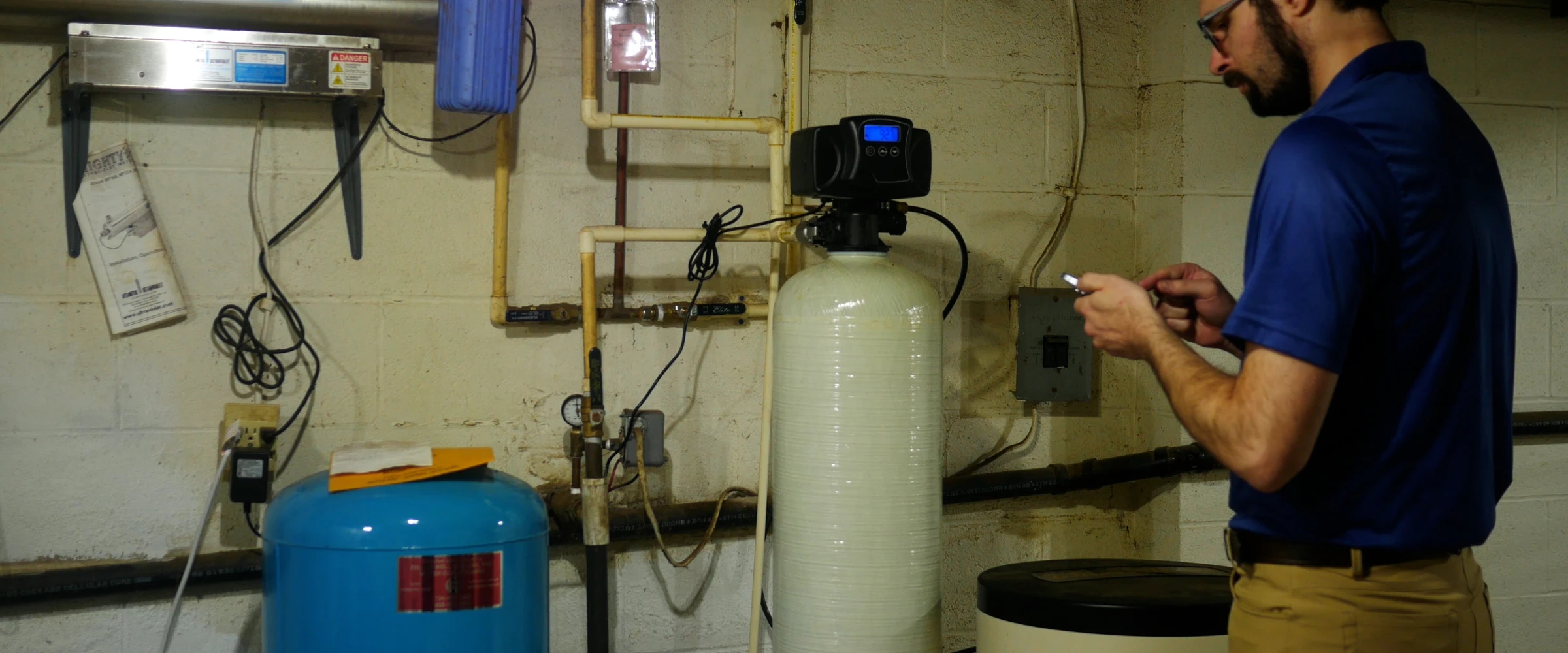
A whole-house water filter is a point-of-entry treatment system. Water passes through the system shortly after entering the home, which means treated water can then flow to showers, faucets, toilets, washing machines, water heaters, and other fixtures.
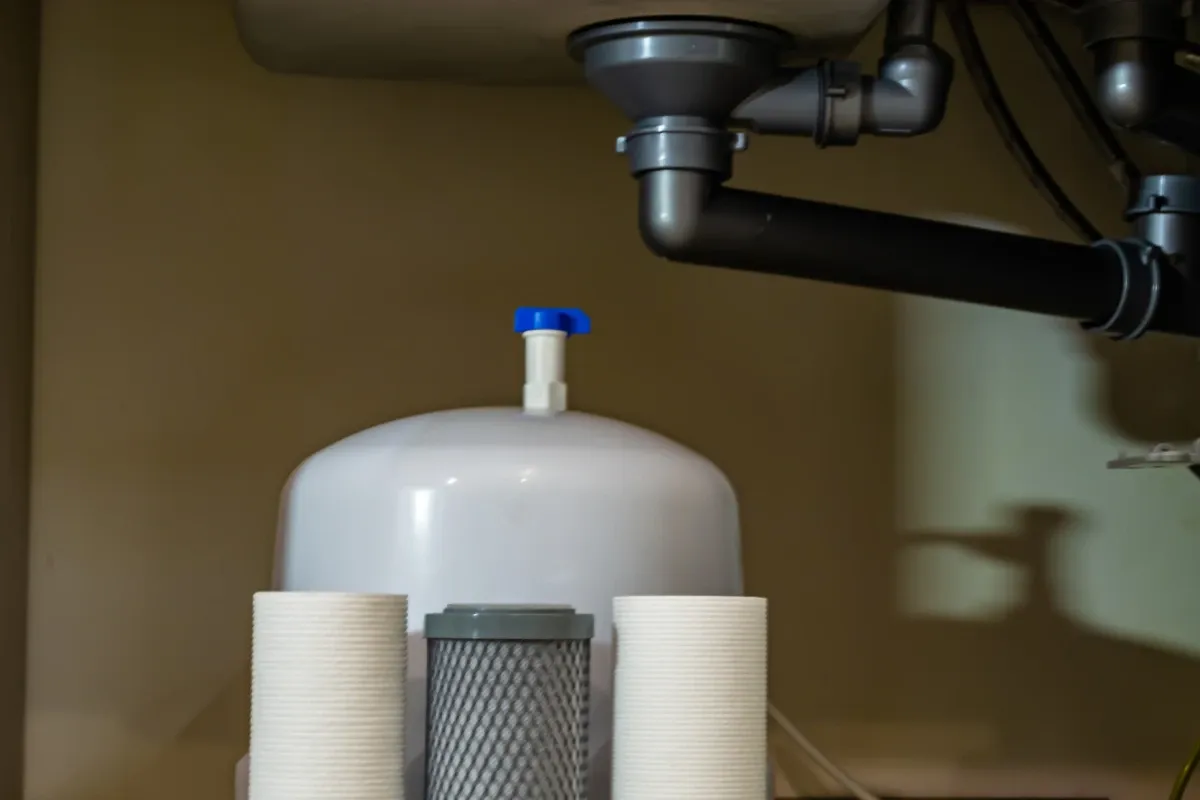
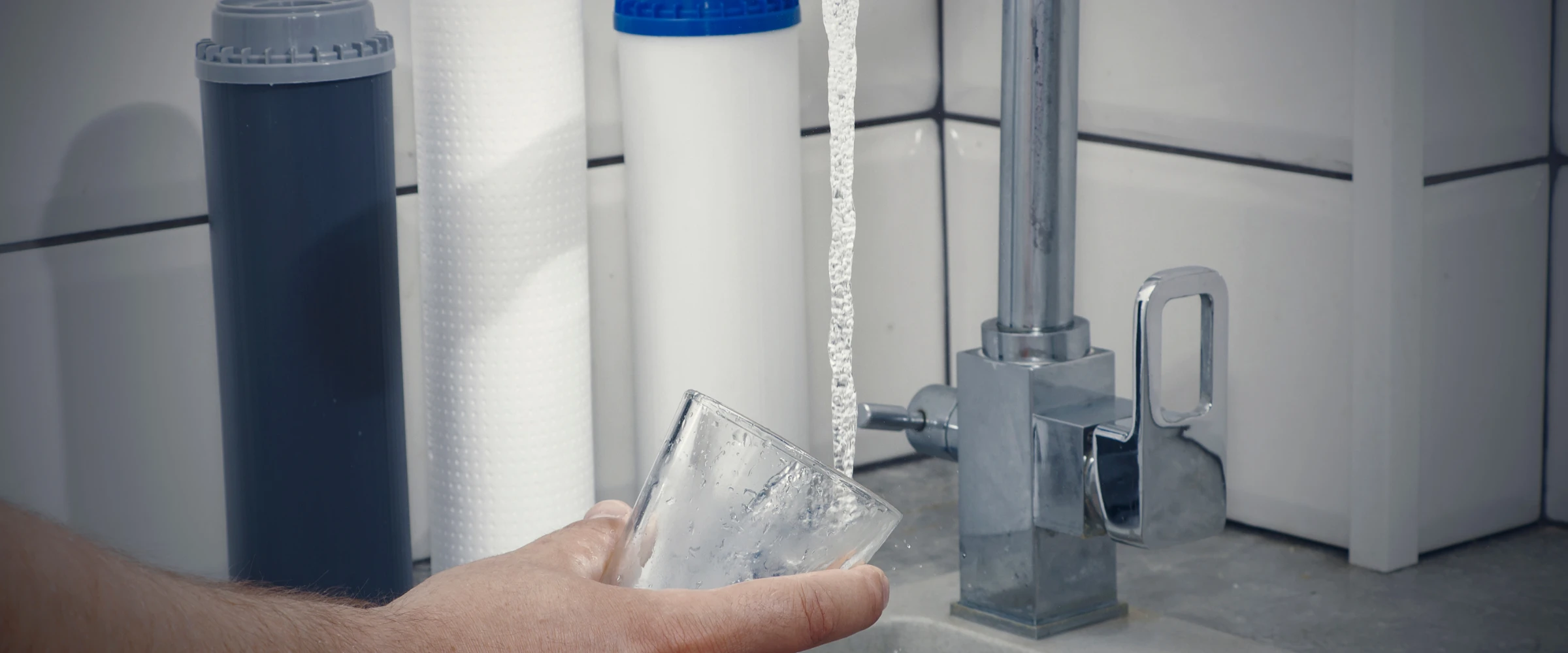
What happens inside the filter depends on its design. Some systems primarily trap particles. Others use activated carbon or other treatment media to adsorb particular chemicals. Multi-stage systems can combine several treatment methods.
The CDC emphasizes that different home water treatment systems remove different chemicals and germs. It recommends choosing treatment based on the substances you actually need to address.
That is why two products both labeled "whole-house filters" may perform very differently.
What Whole-House Water Filters Commonly Remove or Reduce
The following are common treatment targets, but you should always verify the individual system's specifications and certifications.
Sediment and Suspended Particles
Sediment filtration is one of the most straightforward uses of whole-house treatment. Depending on the filter's micron rating, it may capture particles such as:
sand
silt
rust particles
dirt
other suspended debris
Removing this material before it travels through the rest of the plumbing can also protect downstream filter media from becoming loaded with larger particles too quickly.
A sediment filter does not necessarily remove chemicals dissolved in the water. Clear-looking water can still contain dissolved substances that pass through a basic particulate filter.
Chlorine
Activated carbon is commonly used to reduce chlorine. For homes supplied with disinfected municipal water, reducing chlorine can improve taste and odor.
NSF/ANSI 42 is one of the standards associated with aesthetic effects such as chlorine, taste, and odor reduction. Certification under a standard should still be checked against the particular claims made for the individual product.
Removing chlorine also illustrates why treatment needs to be selected thoughtfully. Chlorine serves as a disinfectant in public water systems, helping control germs as water moves through distribution pipes.
Unpleasant Taste and Odor
Carbon filtration can improve some taste and odor problems, particularly those related to chlorine and certain organic compounds.
Taste or odor alone, however, does not identify the cause of a water-quality issue. If your water suddenly changes in smell, appearance, or taste, identifying the source is more useful than assuming a new filter cartridge will solve it.
Certain Organic Chemicals
Some activated-carbon systems can reduce selected organic chemicals. Performance varies substantially according to the carbon media, contact time, system design, contaminant concentration, and certification.
This is one area where reading the actual reduction claims matters. "Carbon filtration" is a treatment category, not a promise that every carbon filter addresses every organic compound.
Some PFAS Compounds
Certain granular activated carbon, reverse osmosis, and ion-exchange systems can reduce certain PFAS compounds. The EPA recommends looking for independently certified treatment products when PFAS reduction is the goal.
Do not assume any whole-house carbon tank removes PFAS simply because it contains activated carbon. Check the specific product's certified contaminant-reduction claims.
What a Standard Whole-House Filter May Not Remove
Understanding the limitations is just as valuable as understanding the benefits.
Hard-Water Minerals
Calcium and magnesium are the minerals most commonly associated with water hardness. A conventional sediment or carbon whole-house filter generally should not be treated as a substitute for a water softener.
A water softener is designed specifically to address hardness. Classic Guys Plumbing installs water softeners as well as whole-house filters and reverse osmosis systems, which allows different water concerns to be addressed with different treatment approaches.
If your primary concern is scale on fixtures, mineral deposits, or other signs associated with hardness, simply adding a carbon filter may not accomplish what you expect.
Dissolved Salts and Total Dissolved Solids
Many dissolved minerals and salts pass through typical sediment and activated-carbon filters.
Reverse osmosis uses a different treatment process. The CDC notes that RO can remove or reduce various dissolved substances, including sodium, chloride, calcium, magnesium, lead, copper, and certain other chemicals, although the specific system label should always be checked.
This is one reason a homeowner may use whole-house treatment for general household water and a reverse osmosis system for drinking and cooking water.
Bacteria and Viruses
A standard carbon or sediment filter should not automatically be considered a microbiological purifier.
The ability to reduce microorganisms depends on the treatment technology and its specifications. According to the CDC, microfiltration, ultrafiltration, nanofiltration, and reverse osmosis have different capabilities for parasites, bacteria, and viruses.
If microbial contamination is a concern, treatment should be chosen specifically for that problem rather than relying on a general-purpose whole-house filter.
Lead, Arsenic, Nitrate, and Other Health-Related Contaminants
Some specialized or certified filters can reduce particular health-related contaminants. Others cannot.
For example, NSF/ANSI 53 covers products certified for specific contaminant-reduction claims involving health effects. Certification to the standard does not mean every product certified under it removes every possible contaminant. You still need to check which reduction claims apply to that particular model.
If lead, arsenic, nitrate, or another specific substance is your concern, choose treatment based on a water test or reliable water-quality information and a verified reduction claim.
Whole-House Filtration, Water Softeners, and Reverse Osmosis Solve Different Problems
These technologies often get grouped together, but they are not interchangeable.
A whole-house filter can be useful for treating sediment, chlorine, taste, odor, or other contaminants targeted by its media.
A water softener is designed primarily to deal with hardness minerals such as calcium and magnesium.
A reverse osmosis system uses membrane treatment and can reduce a broader range of dissolved substances, depending on the system. RO is frequently used as point-of-use treatment for drinking and cooking water rather than as a conventional whole-house sediment or carbon filter.
Some homes may benefit from more than one treatment stage. For example, a home's water concerns might call for sediment filtration plus softening, while an RO system provides additional treatment at the kitchen sink.
The appropriate combination depends on the incoming water and what you want to change about it.
Why Water Testing Should Come Before Choosing a Filter
It is easy to shop backward by deciding on a filter first and then hoping it addresses the water.
A better approach is to identify the concern before selecting treatment.
You may be trying to address visible sediment, chlorine taste, hardness, a particular contaminant identified through testing, or some combination of problems. Once you understand the target, you can compare systems designed and certified to handle it.
CDC guidance similarly advises homeowners to test their tap water and choose treatment based on the harmful chemicals or germs of concern.
For Gold Canyon homeowners, we can evaluate your water concerns, test the water as appropriate, inspect the plumbing, and recommend a treatment approach based on what the home actually needs. Our water-treatment services include whole-house filtration, water softeners, and reverse osmosis systems.
What To Look for When Comparing Water Filters
Do not judge a system only by how many filtration "stages" appear in its description. More stages are not automatically better if none targets the substance you are concerned about.
Instead, look for:
Specific contaminant claims: Determine exactly what the manufacturer says the system reduces.
Independent certification: Look for certifications that apply to the particular reduction claim you need.
Flow capacity: A point-of-entry system needs to accommodate household water demand without creating an unacceptable pressure or flow restriction.
Filter life and maintenance requirements: Replacement frequency can vary with water quality, water consumption, filter capacity, and the manufacturer's instructions.
Treatment purpose: Make sure you are not buying sediment filtration when your real concern is hardness, or buying a softener when your actual concern requires contaminant filtration.
NSF also advises consumers to start by determining which contaminants they want to reduce before choosing between whole-house and point-of-use treatment options.
Helpful Resources for Choosing the Right Water Treatment
Water-treatment terminology can make systems sound more similar than they really are. These independent resources can help you evaluate claims before making a decision.
CDC Home Water Treatment Systems Guide
The CDC explains how filtration, reverse osmosis, distillation, UV treatment, and water softening differ. It is particularly helpful for understanding which technologies can address different chemicals and microorganisms.
CDC Guide to Choosing Home Water Filters
This resource breaks down filter pore size, activated carbon, reverse osmosis, and filtration capabilities for particular germs and chemicals. It also reinforces the value of checking the filter label for specific reduction claims.
NSF Water Treatment Standards Guide
NSF explains standards including NSF/ANSI 42, 53, 58, and 401 and what different certifications mean. It is a useful starting point when comparing independently verified contaminant-reduction claims.
EPA Guide to Reducing PFAS With Home Water Filters
For homeowners specifically concerned about PFAS, the EPA explains treatment options such as granular activated carbon, reverse osmosis, and ion-exchange resins and discusses the role of third-party certification.
Maintenance Matters After Installation
Even a correctly selected system needs proper maintenance to continue operating as intended.
Filters eventually accumulate the material they capture. How often cartridges or media need attention depends on factors such as the system design, manufacturer specifications, household water use, and incoming water quality.
Ignoring maintenance can reduce performance and potentially affect flow. Follow the equipment manufacturer's replacement and service schedule rather than assuming one timetable applies to every filter.
Classic Guys Plumbing also provides routine water-filtration maintenance.
Frequently Asked Questions About Water Filtration Services
What does a whole-house water filtration system remove?
Whole-house water filters can reduce many common contaminants, but what they remove depends on the filtration system you choose. A typical whole-house system may reduce sediment, dirt, chlorine, bad taste, and odor. Some water filtration systems are also designed to target specific contaminants such as lead, certain chemicals, and heavy metals.
Not every filter will remove contaminants like bacteria, viruses, dissolved salt, or hardness minerals. For example, a water softener handles hardness differently from a standard filter, while reverse osmosis may be better suited for certain dissolved contaminants in drinking water.
The best water treatment system starts with your water quality and water source. Municipal water and well water can have very different needs, so it is important to decide what you want the system to address before installation.
Do I need a whole-house filter if I already have filtered drinking water at my kitchen sink?
You may still benefit from whole-house water filtration systems even if you already have filtered water at the kitchen sink or kitchen faucet. Point-of-use filters, countertop filters, and reverse osmosis systems usually treat water at one point, such as the tap you use for drinking and cooking.
A whole-house system is installed near the home's main water line and treats water before it travels through the entire home. That means filtration can apply to water used for the shower, bathing, laundry, washing dishes, and other daily uses.
Some homeowners choose one system for the whole house and another filter at the sink. For example, a house system may reduce chlorine and sediment throughout the plumbing, while a point-of-use reverse osmosis system provides extra filtration for water you drink or use for cooking.
Will a whole-house water filter help with hard water and scale buildup?
Standard house water filters are generally not designed to remove the calcium and magnesium that cause hard water and scale buildup. If hardness is your main concern, you may need a water softener or a salt-free water conditioner instead.
A traditional water softener uses salt to reduce hardness minerals. A salt-free water conditioner works differently and is usually designed to change how minerals behave rather than remove them from the water. The right water treatment solutions depend on your home's water quality, plumbing, and goals.
Controlling scale buildup can help protect pipes, faucets, water heaters, and other plumbing equipment. Heavy mineral deposits can reduce efficiency and, over time, may contribute to problems that damage pipes or shorten the life of fixtures and appliances.
Can a water filtration system improve the taste and odor of my water?
Yes. Many water filtration systems use activated carbon or other filter media to reduce chlorine, chemicals, and compounds that affect water taste and odor. The result may be cleaner-tasting, odor-free water from the faucet.
The filtration process depends on the type of filtration system installed. Some house water filters focus mainly on sediment, while others include carbon or additional filtration stages. Certain systems may also use media such as copper or zinc as part of their water treatment process.
If the taste or odor of your water changes suddenly, it is a good idea to identify the cause rather than simply installing a new filter. The issue could come from the municipal water source, a private well, plumbing, bacteria, sediment, or another point in the house system.
Are whole-house water filters safe for well water?
Whole-house water filters can be an important part of treating private well water, but a basic filter should not be assumed to make all well water safe to drink. A private well can contain bacteria, viruses, sediment, dirt, minerals, lead, chemicals, or other contaminants that may require different types of treatment.
Testing the water is especially important when the water source is private. Once you know what the well water includes, you can choose a water treatment system designed for those specific contaminants.
For example, sediment filtration may protect plumbing from dirt, while another treatment stage may be needed for bacteria. Reverse osmosis may be recommended at the kitchen sink for some drinking water concerns. In other situations, a different whole-house water treatment system may be needed.
When comparing equipment, look for performance information and applicable NSF standards instead of assuming every water filter provides the same level of safety.
How is a whole-house filtration system installed?
A whole-house filtration system is usually installed on the home's main water line so the water is treated before it reaches most faucets and fixtures. This allows one system to provide filtered water throughout the entire home rather than treating only one sink or faucet.
The exact installation depends on the house, available space, plumbing layout, water pressure, and type of system. A plumber may also consider where the water enters the home, where drainage or electrical service is available, and whether the system includes water filtration, a water softener, reverse osmosis, or other water treatment solutions.
Proper installation helps the system operate efficiently without creating unnecessary pressure problems. It also makes future maintenance easier when filters or treatment media need to be changed.
How much maintenance does a whole-house water filtration system need?
Every filtration system needs some maintenance. How often you need to maintain it depends on the system, filter type, amount of water used, water quality, and the amount of sediment or contaminants entering the home.
Some water filters use replaceable cartridges, while other whole-house systems use larger tanks or media that may last longer. A system treating high levels of dirt or sediment may need service more often than the same system used on cleaner municipal water.
Following the manufacturer's maintenance schedule helps protect the system and keeps the filtration process working as intended. Regular service can also help maintain good water flow and extend the useful life of the equipment.
Plants, laundry, bathing, cooking, drinking, and washing all add to household water use, so the amount of water moving through the system can affect filter life.
How do I decide which water treatment system is right for my home?
Start with your water quality instead of choosing a system based only on its name or the number of filtration stages. Think about the problems you want to solve, such as chlorine taste, odor, sediment, scale buildup, hard water, heavy metals, bacteria, or other specific contaminants.
Different types of water treatment equipment solve different problems. Whole house water filters can treat water throughout the home. A water softener can address hardness. A salt-free water conditioner may help manage scale in a different way. Reverse osmosis can provide additional treatment for drinking water at a kitchen faucet. Countertop filters and other point-of-use filters treat water only at a specific point.
For example, you may need a whole-house system to reduce chlorine and sediment, plus reverse osmosis at the sink for drinking and cooking. Another home may only need a water softener, while a home using a private well may require several treatment steps.
Classic Guys Plumbing can check your water source, discuss your concerns, review your plumbing, and help you decide which water filtration system makes sense for your home. The goal is clean water that meets your needs without paying for treatment you do not need.
Choose Filtration Based on Your Water, Not the Label
The biggest misconception about whole-house filters is that installing one automatically removes everything you would rather not have in your water. In reality, sediment filtration, activated carbon, softening, reverse osmosis, and microbiological treatment perform different jobs.
Start with the water problem you want to solve. Then match that concern to a system with the right treatment technology, capacity, maintenance requirements, and verified contaminant-reduction claims.
If you are considering water filtration for your Gold Canyon home, Classic Guys Plumbing can help you evaluate your water and determine which treatment approach fits your needs. Call (480) 330-2724 or contact us to discuss your water-quality concerns and request a quote.


