AWARD WINNING SERVICE • SERVING ARIZONA • LICENSED, BONDED, & INSURED



Gas Leak Detection Gilbert, AZ
When a gas leak threatens your home, we quickly find the source and restore safety for your family and peace of mind.
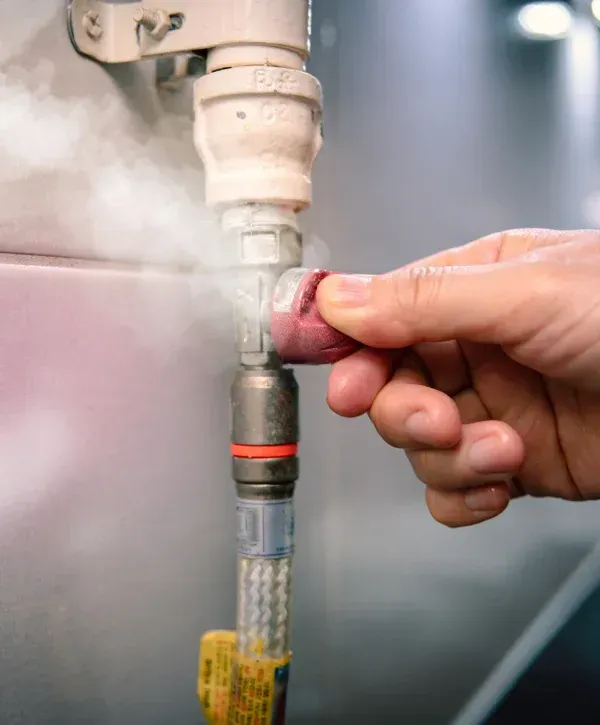
A gas leak can turn a normal day into a stressful one fast. When you smell gas or suspect something is wrong, you need answers right away. We provide gas leak detection in Gilbert, AZ that helps protect your home, your family, and your peace of mind.
We know how unsettling it feels when something may be putting your loved ones at risk. That's why we respond quickly, find the source with care, and help you move forward with confidence. A safe home feels better, sleeps more easily, and gives you one less thing to worry about.

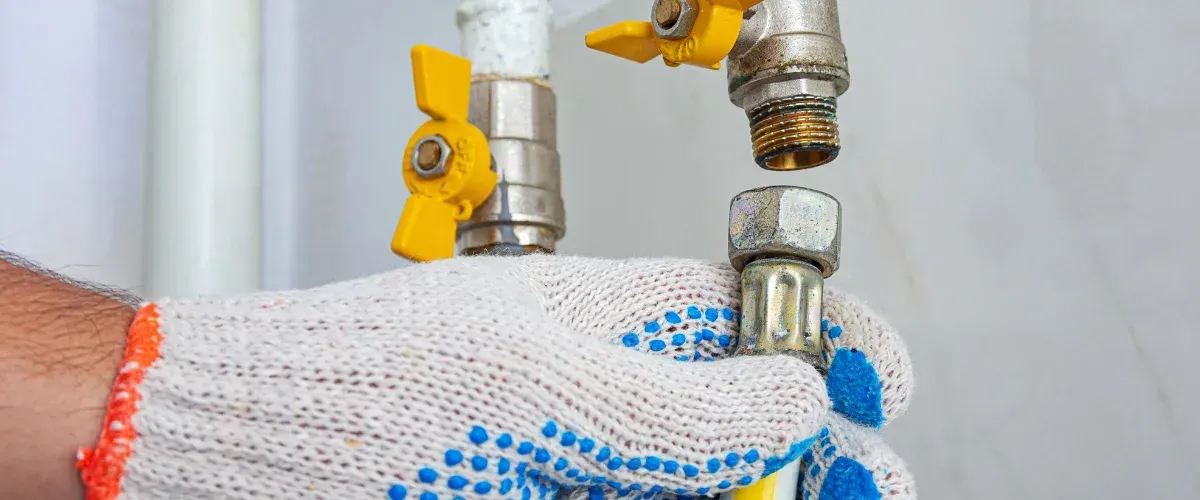
Why Homeowners Choose Our Gas Leak Detection Gilbert, AZ Services
We have raised the bar for gas leak detection by delivering dependable service, fast response times, and careful inspections that homeowners can trust. See why so many families choose us first. Check out the benefits we offer:
Fast & Reliable Service
Transparent Pricing With No Surprises
Trusted, Professional Care
Licensed Experts
Gas Leak Detection Gilbert, AZ Results You'll Love
Your home can look and feel just as secure as the projects shown below. We help homeowners solve dangerous gas issues quickly, bringing back comfort, confidence, and safety so they can enjoy daily life without worrying about hidden problems.


What Customers Say About Our Gas Leak Detection Gilbert, AZ Service
We are thankful for every customer who has trusted us with their home and safety. Their kind words mean everything to us and motivate us to keep delivering great service. Check out the beautiful things people have to say about us:

Mitchell was upfront with his quote to replace our water heater and did a professional job the same day.
I was referred to your company by trusted friends and was very happy with the experience. I won’t hesitate to call you for the next need!

Clifton was so awesome today! I made the call and within 45 mins he was at my home assessing the situation.
Went and got the parts, called the restoration company and stayed for that assessment. What an upstanding professional person! Great company!!
Understanding Gas Leak Detection Gilbert, AZ Costs
The cost of gas leak detection depends on several factors unique to your situation. No two homes or gas systems are exactly alike. To provide an accurate quote, we first need to speak with you, understand your concerns, inspect the situation, and determine the best solution for your specific needs.
Factors That Affect Gas Leak Detection Gilbert, AZ Pricing
Several factors can affect the cost of gas leak detection services. Every property is different, and understanding these details helps us provide fair pricing and the right solution for your needs.
Leak Location
Leaks hidden behind walls, underground, or in tight spaces require additional testing and investigation.
Size of the Gas System
Larger gas systems often require more inspection points and a more thorough evaluation process.
Accurate Timelines and Honest Budget Expectations for Gas Leak Detection Gilbert, AZ
We are experienced professionals who believe homeowners deserve clear expectations. We provide realistic timelines and budget estimates so you know what to expect from the start and can move forward with confidence.

We respect the budget we discuss together. If anything unexpected comes up, we communicate clearly, explain your options, and help you make informed decisions without surprises or unnecessary expenses.

We understand that safety concerns create stress. That's why we work efficiently and stay focused on meeting agreed deadlines, helping restore your home's safety as quickly as possible while maintaining quality workmanship.
A Stress-Free Way to Handle Gas Leak Detection Gilbert, AZ
When you choose us, everything becomes easier. We guide you through every step, keep communication simple, and handle the hard work so you can focus on your family and daily routine.

Step 1: Call us
We listen carefully, answer questions, and create the right plan together.
Step 2:
Work
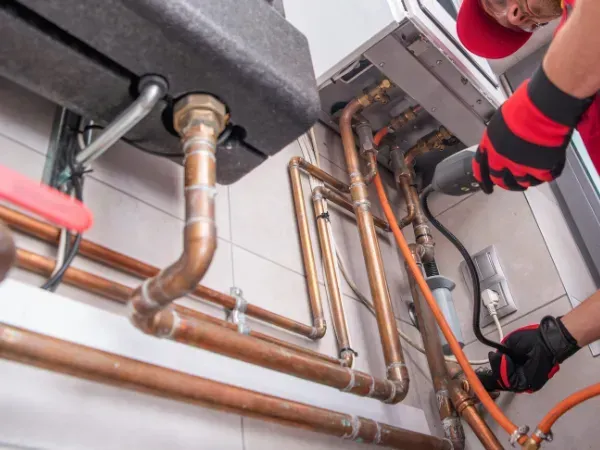
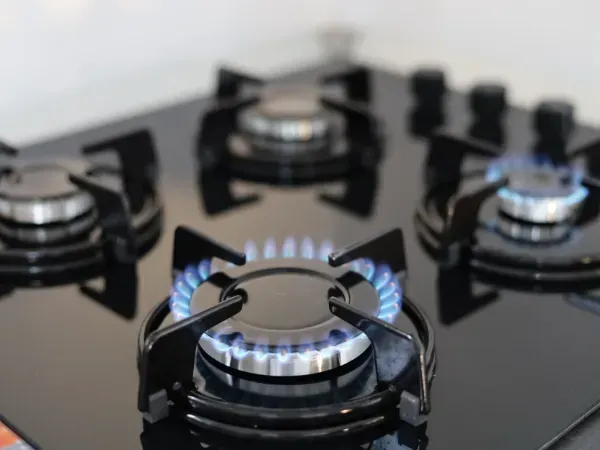
We inspect, locate, and address gas leak concerns with care.
Step 3:
Enjoy
Relax knowing your home is safer and your gas system is working properly.
Frequently Asked Questions About Gas Leak Detection Gilbert, AZ
What Are the Signs of a Gas Leak?
Some of the most common signs of a gas leak include a strong natural gas smell that resembles rotten eggs or rotting eggs, hissing sounds near gas lines, dying plants around buried pipes, and unexplained physical symptoms such as headaches, dizziness, nausea, or fatigue. In some situations, you may even notice a white cloud or mist near a leak.
Natural gas is normally odorless, but utility companies add a sulfur-like odor to help people detect a leak quickly. If you smell gas inside your house or around your property, it is important to take the situation seriously and follow proper gas safety procedures.
What Should I Do If I Smell Gas?
If you smell gas, leave the building immediately and move to a safe distance away from the area. Avoid using electrical switches, phones, appliances, open flames, or anything that could create a spark or ignition source.
Once you are safely outside, contact your utility company, emergency services, or your local fire department. Do not return to the building until professionals determine it is safe. Following these steps can help reduce the risk of fire, explosion, and property damage.
How Do Professionals Detect a Gas Leak?
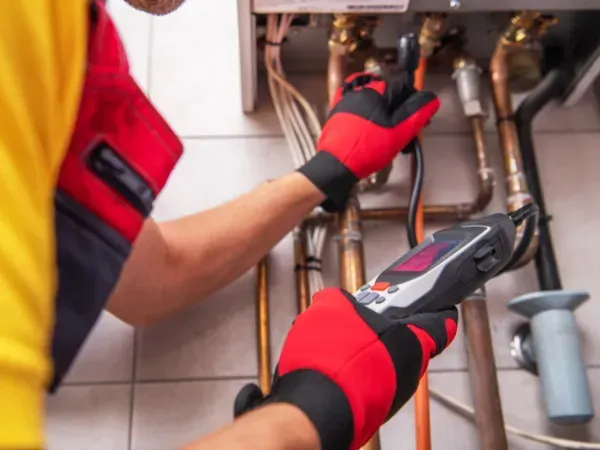
Professional gas leak detection involves using specialized equipment designed to identify escaping gas that may not be visible to the naked eye. A technician may use a gas leak detector, pressure testing equipment, and other tools to locate the exact source of the leak.
Whether the problem is in gas lines, a pipe connection, a gas meter, gas appliances, furnaces, a stove, or other equipment, accurate detection helps ensure the proper repair can be completed safely.
Are Natural Gas Leaks Dangerous?
Yes. Natural gas leaks can create serious safety concerns. Natural gas contains methane, which can become hazardous when it accumulates in a building and displaces oxygen in the air. A gas leak occurs when gas escapes from a damaged pipe, fitting, appliance, or gas line.
Even large leaks and smaller leaks can create risks. Depending on the situation, they may increase the chance of fire, explosion, health problems, or significant property damage. This is why natural gas safety should always be a priority whenever a leak is suspected.
Can a Gas Leak Affect My Health?
Yes. Exposure to a gas leak may cause physical symptoms such as headaches, dizziness, nausea, fatigue, breathing difficulties, or confusion. People who are experiencing symptoms should leave the area immediately and seek fresh air.
While natural gas itself is different from carbon monoxide, gas appliances that are not functioning properly can sometimes produce carbon monoxide. This is why carbon monoxide detectors are recommended in homes with natural gas appliances, furnaces, water heaters, and other heating equipment.
Can a Gas Leak Increase My Utility Bill?
Yes. When gas is escaping from a leak, you may notice unexpectedly high utility costs. Even a small leak can waste natural gas over time and increase monthly bills.
A professional inspection can help determine whether a leak has been detected and identify where the gas is escaping. Fixing the problem quickly can improve efficiency, reduce waste, and restore proper operation of your appliances and gas system.
What Causes Gas Leaks?
Gas leaks can occur for several reasons. Aging gas lines, corrosion, damaged pipes, loose fittings, faulty gas appliances, failed vents, damaged equipment, or construction work near underground gas lines can all contribute to a leak.
Natural gas safety involves staying aware of potential warning signs and scheduling inspections when concerns arise. Regular maintenance of appliances, heating systems, and gas connections can help reduce risk and improve overall gas safety.
How Can I Improve Natural Gas Safety at Home?
There are several natural gas safety tips homeowners can follow. Install carbon monoxide detectors throughout your house, know the location of your gas meter and shutoff valve, schedule routine inspections of gas appliances, and keep flammable materials away from furnaces, water heaters, and other heating equipment.
Never ignore a natural gas smell, unusual odor, or signs of a leak. If you suspect a problem, shut off the gas if it is safe to do so, evacuate the building immediately, and contact qualified professionals. Taking these precautions helps protect your family, your property, and the environment.
It's also worth remembering that natural gas, methane, carbon monoxide, carbon dioxide, and other greenhouse gases can affect the atmosphere when released. Prompt detection and repair help reduce environmental impact while keeping your home safe.
Did you know?
The Pipeline Safety Improvement Act of 2002 mandates gas leak inspections.
Federal standards require inspections from gas entry to outlet meters.
Massachusetts law requires grade 1 and 2 leaks to be repaired.
In 2017, Rhode Island's gas leaks contributed to 15.7 million metric tons of emissions.
Gas leak detectors should be installed within 12 inches of gas appliances.
Methane is up to 120 times more potent than carbon dioxide.
In 2017, Rhode Island emitted 15.7 million metric tons of greenhouse gases.
About one-third of Rhode Island's emissions come from gas leaks.
In 2012, Boston identified 3,300 gas leaks along 785 miles of roads.
Gas leaks can damage or kill plants by reducing oxygen absorption.
Avoid using matches, lighters, or candles during a gas leak response.
Do not rely solely on smell to detect gas leaks.
Call 911 from a safe location to report a gas leak.
A strong odor of rotten eggs indicates a potential gas leak.
Act immediately if a gas leak is suspected in your home.
Leave doors open to ventilate while evacuating.
Evacuate the area immediately and do not use electronics.
Do not attempt to locate or repair the gas leak yourself.
Install residential methane detectors for added safety.
Natural gas is odorless; mercaptan gives it a rotten egg smell.
Evacuate immediately if you smell gas, even faintly.
Do not use electronics or open flames near a gas leak.
Install gas leak detectors within 12 inches of the ceiling.
Call 811 before digging to avoid damaging gas lines.
Bubbling water or patches of dead vegetation may signal a gas leak.
A hissing or whistling sound near gas lines suggests a leak.
Gas leak detectors can sound an alarm before gas reaches explosive levels.
Bubbles in soapy water indicate a gas leak in pipes.
Inspect gas appliances regularly for proper operation and leaks.
Higher than normal gas meter readings may indicate a leak
Protect Your Home and Family Before a Small Leak Becomes a Bigger Problem
Many homeowners wish they had addressed gas leak concerns sooner. Fast detection helps prevent larger problems, protects your property, and gives your family greater peace of mind. When safety is on the line, acting early can make all the difference.
If you suspect a gas leak, don't wait and hope it goes away. Contact us at (480) 330-2724 and let us at Classic Guys Plumbing help you find answers quickly. We are ready to guide you toward a safer, more comfortable home.
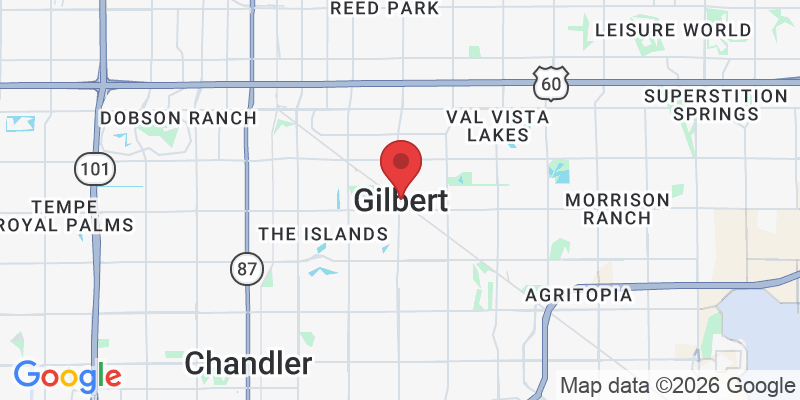
Gilbert, AZ, is one of the fastest-growing communities in the East Valley and is known for its welcoming neighborhoods, family-friendly atmosphere, and beautiful outdoor spaces. Residents enjoy attractions such as the Riparian Preserve at Water Ranch, Gilbert Regional Park, Downtown Gilbert, and Freestone Park. Whether you live near these popular destinations or elsewhere in town, Classic Guys Plumbing is proud to provide dependable gas leak detection services throughout Gilbert. Call (480) 330-2724 today.

Proudly serving Ahwatukee, Apache Junction, Chandler, Florence, Gilbert, Gold Canyon, Mesa, Paradise Valley, Payson, Phoenix, Prescott, Queen Creek, San Tan Valley, Scottsdale, and Tempe with expert plumbing, water heaters, replacement and installation, septic systems, re-pipes, re-routes, remodels and more.
Contact
Hours Of Operation
8am - 9pm Monday to Friday
By Appointment Only Saturday & Sunday