AWARD WINNING SERVICE • SERVING ARIZONA • LICENSED, BONDED, & INSURED


Gas Leak Detection Gold Canyon, AZ
Gas leak detection in Gold Canyon, AZ helps identify suspected gas leaks so you can understand the problem and take the right next step.
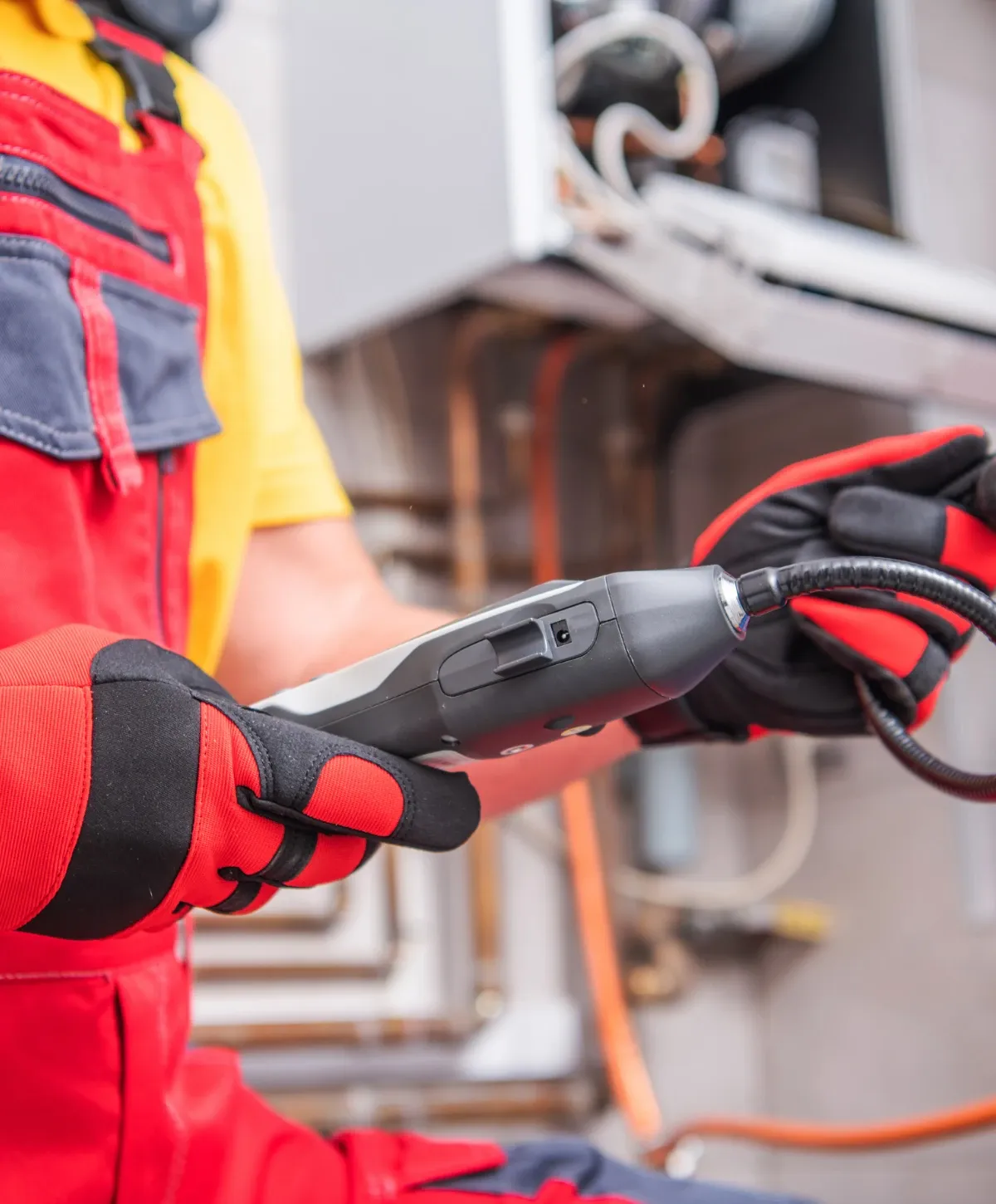
A gas odor, hissing near a gas line, an unexplained increase in gas use, or an appliance that is not working normally can be reasons to investigate. Because the source may not be visible, guessing is not a reliable way to find the problem.
We use professional gas leak detection equipment and pressure testing to help locate leaks, including problems involving hidden or buried gas lines. When repairs are needed, we also repair indoor and outdoor gas lines and can explain the appropriate repair options.

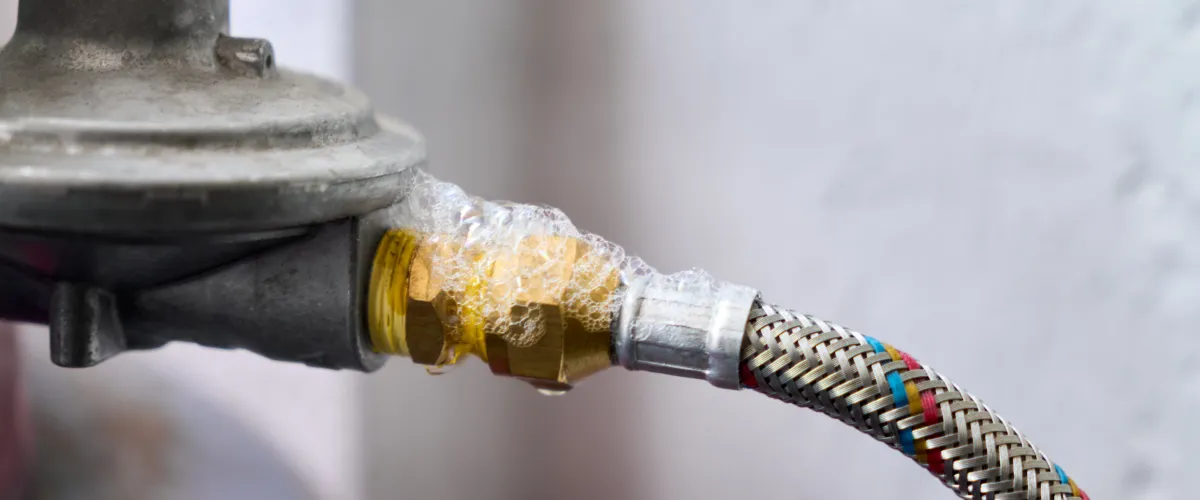
Practical Benefits Of Gas Leak Detection In Gold Canyon, AZ
Professional gas leak detection can help identify the location of a suspected leak, reduce guesswork, and give you clearer information about needed repairs. Check out the benefits we offer:
Locate Suspected Gas Leaks
Reduce Guesswork
Identify Hidden Gas Line Problems
Plan The Right Repair
See Our Gas Leak Detection Work
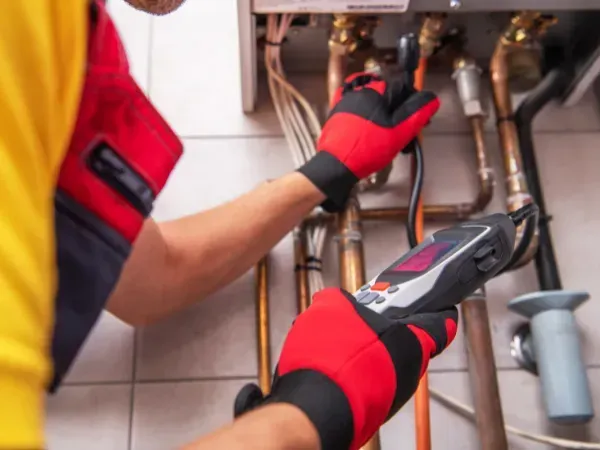
Our project photos show the type of professional gas line work involved in diagnosing and addressing gas problems. Depending on the situation, the work may involve inspection, gas leak detection equipment, pressure testing, gas line access, and completed gas line repairs.


What Customers Say About Working With Us
We appreciate every customer who trusts us to inspect and work on gas lines that affect the safe, reliable function of their home or property. Check out the beautiful things people have to say about us:

Mitchell was upfront with his quote to replace our water heater and did a professional job the same day.
I was referred to your company by trusted friends and was very happy with the experience. I won’t hesitate to call you for the next need!

Clifton was so awesome today! I made the call and within 45 mins he was at my home assessing the situation.
Went and got the parts, called the restoration company and stayed for that assessment. What an upstanding professional person! Great company!!
Cost Of Gas Leak Detection In Gold Canyon, AZ
The cost of gas leak detection can depend on where the suspected leak is located, how accessible the gas line is, the amount of testing needed, and whether repairs are required. We offer free project quotes for this service. Call (480) 330-2724 to discuss your situation and current pricing.
What Gold Canyon Property Owners Should Consider About Gas Leaks
Gas line problems can occur in visible or concealed locations. The symptoms you notice, the location of the piping, and safe access to the suspected area can all affect the inspection.
Pay Attention To Warning Signs: Gas odors, hissing sounds, or unusual gas bills can be signs that professional inspection is needed.
Do Not Guess At The Source: A suspected leak may involve concealed or buried piping that cannot be checked visually.
Know When Professional Gas Leak Detection Is Worth It
Professional gas leak detection can reduce guesswork, help locate the suspected problem, and provide clearer information before gas line repairs are planned.

Using professional detection equipment and pressure testing can make the process more targeted than repeated DIY troubleshooting. Once we understand the source, we can discuss the repair needed and help restore the gas line properly.

If you smell gas or strongly suspect an active leak, leave the building and move to a safe location before making calls. Suspected gas leaks should be investigated rather than repeatedly ignored or covered up with temporary fixes.
Getting Started With Gas Leak Detection Is Simple
Tell us what you have noticed, let us inspect and diagnose the suspected gas leak, and use the findings to determine the appropriate next step.

Step 1: Call us
Call (480) 330-2724 and explain the gas odor, sound, location, or other concern.
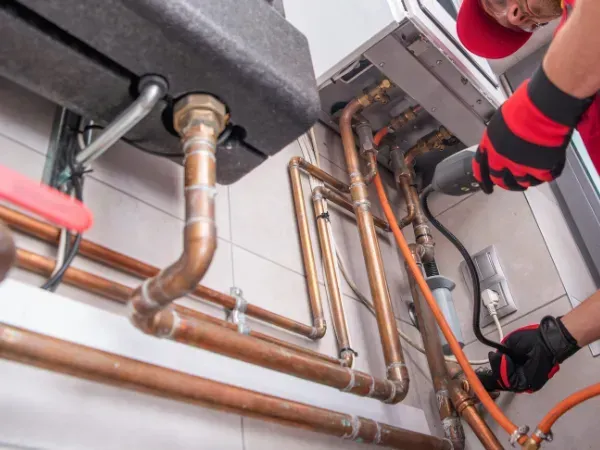
Step 2: Work
We inspect and test the gas system to locate the suspected leak.
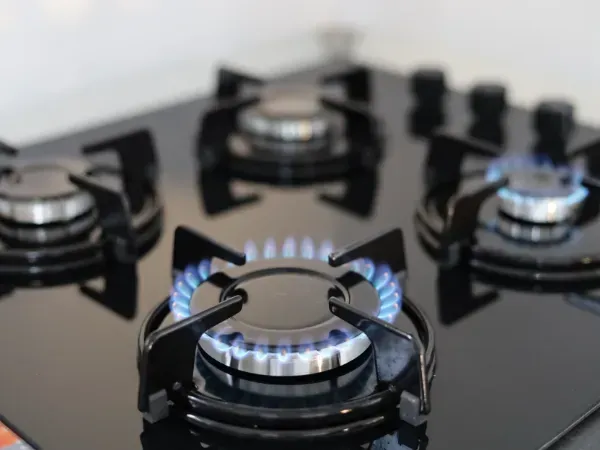
Step 3: Enjoy
Get clearer answers and a properly addressed gas line problem after professional service.
Frequently Asked Questions About Gas Leak Detection In Gold Canyon, AZ
What Are The Most Common Signs Of A Gas Leak?
Common signs of a gas leak include a strong natural gas smell, a hissing sound near gas lines, problems with gas appliances, and an unexplained increase in gas use. Natural gas is given a sulfur-like odor that many people compare to rotten eggs or rotting eggs so leaks can be easier to notice.
Other signs may include dying plants near an underground pipe, a blowing or white cloud near a damaged line, or unusual problems with a stove, furnace, water heater, or other appliances. You may also notice physical symptoms such as dizziness, headache, or nausea. If you are experiencing symptoms or strongly suspect a leak, move to a safe distance and get professional help.
What Should I Do If I Smell Gas In My House?
If you smell gas inside your house or another building, treat the situation seriously. Avoid open flames, do not light a pilot light, and do not operate switches, appliances, or other equipment that might create a spark or another source of ignition.
Leave the building immediately and move away from the property. Once you are a safe distance away, contact your gas utility, emergency services, or the local fire department as appropriate. Do not go back inside simply because the smell becomes weaker. A leak can still be dangerous, and even large leaks may behave differently depending on ventilation, wind, and where the gas is escaping.
How Do You Find A Natural Gas Leak?
We use professional testing methods and a gas leak detector to help determine whether a leak is present and narrow down its location. We can also pressure-test gas lines when needed. This helps us inspect exposed pipes as well as concealed or underground lines that cannot be checked by sight alone.
When a gas leak occurs, natural gas may escape from a fitting, connection, appliance line, underground pipe, or another part of the system. The exact following steps depend on what our testing finds. Once the problem is detected, we can explain whether a repair is needed and what part of the system should be addressed.
Can Carbon Monoxide Detectors Detect A Natural Gas Leak?
Standard carbon monoxide detectors are designed to detect carbon monoxide, not a natural gas leak. Carbon monoxide can be produced when fuels do not burn properly, while a natural gas leak involves unburned gas escaping into the air. Some combination alarms may include additional gas sensors, but you should check the manufacturer's instructions to understand exactly what your equipment can detect.
Natural gas is mostly methane, while carbon monoxide and carbon dioxide are different gases. This is why carbon monoxide alarms are important for homes with fuel-burning appliances, but they are not a replacement for professional gas leak detection. Good natural gas safety includes keeping detectors working, maintaining appliances, and responding quickly to any unusual gas odor.
Can You Find Gas Leaks Behind Walls Or Underground?
Yes. Exposure to a gas leak may cause physical symptoms such as headaches, dizziness, nausea, fatigue, breathing difficulties, or confusion. People who are experiencing symptoms should leave the area immediately and seek fresh air.
While natural gas itself is different from carbon monoxide, gas appliances that are not functioning properly can sometimes produce carbon monoxide. This is why carbon monoxide detectors are recommended in homes with natural gas appliances, furnaces, water heaters, and other heating equipment.
Is A Natural Gas Leak Dangerous?
Yes. A natural gas leak can create a serious risk because natural gas is flammable. If enough gas collects in an enclosed area and reaches an ignition source, there can be a fire or explosion. Keep flammable materials, flames, cigarettes, electrical sparks, and other ignition sources away from any suspected leak.
Escaping gas may also reduce available oxygen in some enclosed areas. Natural gas should not be confused with gasoline fumes, smoke, carbon monoxide, or gases from other sources, but all can create different safety concerns. Methane is also one of the greenhouse gases, meaning released natural gas can affect the environment and atmosphere as well as create an immediate safety concern.
If you believe there is a serious leak, evacuate the area immediately rather than trying to locate it yourself.
Should I Shut Off The Gas If I Suspect A Leak?
If the main shutoff valve is outside and you already know how to use it safely, shutting off the supply may help stop additional gas from entering the system. However, do not delay leaving the property or enter a hazardous area just to reach the valve. Your first priority should always be safety.
After the gas is shut off, do not turn it back on or try to restart a stove, furnace, heating system, or other appliances until the system has been inspected. A professional can check the piping, gas meter, appliance connections, and related equipment to determine why the leak occurred and what repair is required.
How Can I Help Prevent Natural Gas Problems At My Property?
Basic natural gas safety tips include keeping gas appliances properly maintained, watching for damage around exposed piping, keeping appliance vents clear, and staying aware of unusual odors or changes in appliance performance. Have furnaces, water heaters, stoves, and other fuel-burning equipment serviced when needed.
Never use a flame to search for a leak, and do not attempt unsafe DIY repairs on a gas pipe. Make sure carbon monoxide detectors are installed and working where appropriate, and understand that they serve a different purpose from natural gas detection.
Good gas safety also means knowing where your gas meter and shutoff valve are located and knowing when to leave immediately. If you notice a sulfur odor, hear gas escaping, see unusual damage, or believe there is an immediate hazard, get out of the building and call for help from a safe location. Taking action early can reduce the chance of property damage, fire, or other hazardous conditions.
Get Help With A Suspected Gas Leak
A gas odor, hissing near piping, unusual gas use, or uncertainty about a gas line should not be handled through guesswork. Professional gas leak detection can help determine whether a leak is present and identify where further attention may be needed.
We use professional detection methods to inspect suspected gas leaks and can repair gas lines when needed. Contact us at (480) 330-2724 and let Classic Guys Plumbing help with gas leak detection in Gold Canyon, AZ.

Gold Canyon is a largely residential Pinal County community along US 60, with areas reached from roads such as Superstition Mountain Drive and Kings Ranch Road. For homes and properties throughout the area, suspected gas line problems deserve careful inspection rather than guesswork. Classic Guys Plumbing serves Gold Canyon and provides professional gas leak detection. Call (480) 330-2724 when you need help investigating a suspected gas leak.
Proudly serving Ahwatukee, Apache Junction, Chandler, Florence, Gilbert, Gold Canyon, Mesa, Paradise Valley, Payson, Phoenix, Prescott, Queen Creek, San Tan Valley, Scottsdale, and Tempe with expert plumbing, water heaters, replacement and installation, septic systems, re-pipes, re-routes, remodels and more.
Contact
Hours Of Operation
8am - 9pm Monday to Friday
By Appointment Only Saturday & Sunday